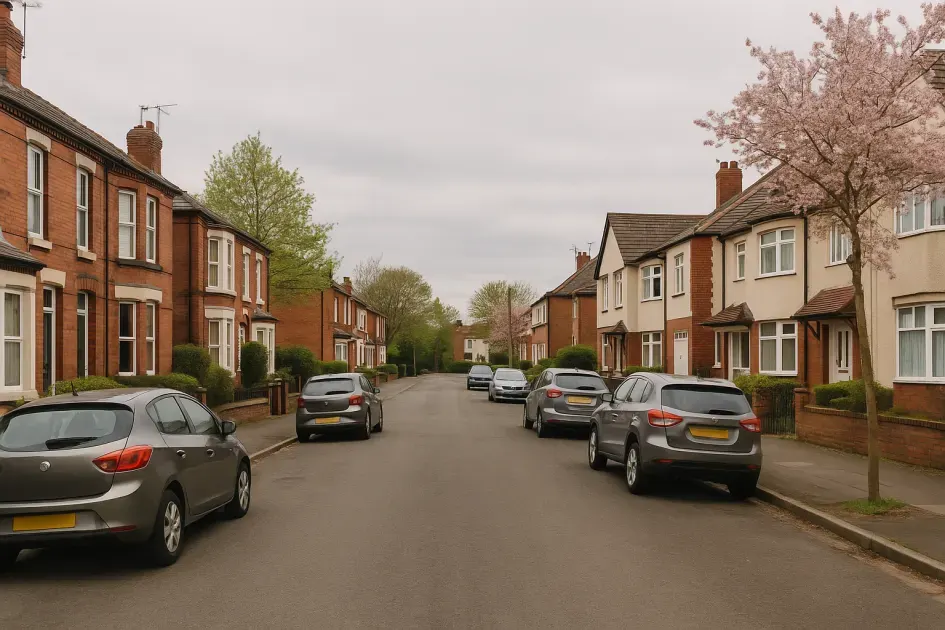
Moves are generally smoother when planned to avoid local demand spikes, peak traffic and coastal weather. For most Wirral addresses — whether a Birkenhead terrace, a semi in Heswall, or a new-build flat at Wirral Waters — the best practical slots are weekday mornings outside rush hour (roughly 07:00–09:00 starts) during non‑peak parts of the month.
Use Wirral removals service first for the core service page. For wider parent-area timing context, see Liverpool moving timing guide.
Starting a move early on a Tuesday, Wednesday or Thursday avoids commuter congestion on the M53 and A41 and reduces waiting for controlled parking bays in town centres such as Birkenhead and Wallasey. Early starts also mean quieter residential streets in Oxton and Prenton, making parking near front doors more likely and shortening carry distances in neighbourhoods with narrow pavements.
In practice, this usually connects with To balance timing with the other factors that shape the day, review moving guide for Wirral and packing advice for moving in Wirral as well..
The most difficult times combine high local demand with bad traffic and weather: end‑of‑month weekends in the summer. These periods affect time, cost and the logistical complexity of a removal.
Like many Merseyside suburbs, Wirral sees a concentration of tenancy handovers and completions at the month end. Areas with a high proportion of terraces and flats for rent — Birkenhead, parts of New Brighton and around the universities’ commuter corridors — experience heavy booking pressure. That increases the time window for removals and often forces later starts or split-day moves to work around availability.
Large family moves cluster into school holiday weeks, especially in July/August and at the Easter break. While that can make coordinating household availability easier, it simultaneously raises demand for large removal teams and parking suspensions in family suburbs like Prenton and Heswall. Expect longer loading times and limited mid-day parking options near schools and parks.
Understanding which roads are busy helps predict journey time and scheduling needs.
The M53 is the peninsula’s primary north–south artery. Junctions around Junction 1 (Birkenhead) and the Wirral–Cheshire link see morning and evening congestion. Approaches to the Queensway and Kingsway Mersey Tunnels to Liverpool can back up at peak times, adding 20–40 minutes to trips that cross or skirt Birkenhead.
New Brighton promenade, West Kirby and Hoylake experience seasonal spikes — weekends and summer bank holidays bring tourists and confined parking. Narrow lanes in Port Sunlight and conservation areas increase loading friction, requiring longer loading windows to avoid road obstructions and resident complaints.
Different property types across Wirral create distinct operational challenges that directly affect time and cost.
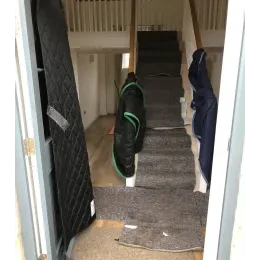
Many terraces have narrow doorways and staircases. On-street parking outside terraces can be controlled by residents’ bays; without a temporary suspension, carries can exceed 30–50 metres, dramatically increasing loading time. Expect longer packing-to-vehicle times and potential need for stair-protected handling which extends the schedule.
Converted flats often sit above shops or in tight courtyards. Where there is no goods lift, extra porterage time is required for each flight of stairs. Modern riverside flats at Birkenhead docks and some new builds have lifts, but service lifts might have booking windows or weight limits — plan extra time for lift bookings and potential queuing in busy developments like Wirral Waters.
These suburban properties usually allow driveway parking, reducing carry distance. However, narrow driveways and low garage openings are common, which can slow loading and require manoeuvring that lengthens labour time on site.
New developments often look straightforward but introduce operational constraints: estate roads with width restrictions, estate gates that require codes, and service yards with fixed delivery hours. These constraints can add waiting time at site entrances and sometimes mean moves must occur within developer-specified windows.
Small details in Wirral directly increase costs and time if not addressed upfront.
Many central areas require temporary bay suspensions from Wirral Council to legally reserve space for a removal vehicle. Application lead times vary and there is a fee; without a suspension, off‑street parking or long carry distances add to labour hours and hourly charges.
Conservation areas such as Port Sunlight and parts of Oxton have streets where large removal trucks cannot legally or physically park. In those cases smaller vehicles or staged loading may be required, increasing total loading/unloading time and the number of crew members needed.
Every 10 metres of carry and every set of stairs materially raises the job duration. For Wirral terraces and upstairs flats, factor an extra 30–90 minutes per floor of stair work into the plan; for developments with restricted lifts, add booking buffers to avoid delays.
Coastal exposure and winter storms are a realistic part of planning in Wirral.
Strong winds make moving large items hazardous on New Brighton and West Kirby promenades and can require protective covers and slower handling to avoid damage. High tides and storm conditions occasionally lead to temporary access restrictions or closures on coastal roads, creating unexpected detours.
Rural south‑west Wirral (Neston, Parkgate) features narrower, unpaved approaches in some locations. After heavy rain, drives and verge parking can become muddy, slowing wheelbarrow or trolley movement and necessitating protective matting — adding time and modest cost for extra equipment and care.
For more on local removals options across Wirral and how this fits into broader timing decisions, see the Wirral removals overview at Wirral removals service, and the wider Liverpool moving timing guidance at Liverpool moving timing guide. If you want compact, location-specific packing tips that reduce loading time in tight Wirral stairways and courtyards, consult packing advice for moving in Wirral.
Short answers to the most common timing and planning questions for moves across Wirral, from Birkenhead terraces to West Kirby new builds.
Weekends are popular locally, especially Saturdays, because residents and tradespeople are available. That popularity creates higher demand for larger removal slots and parking suspensions in towns such as Birkenhead, New Brighton and West Kirby, so costs and wait times are often higher than mid-week moves.
End-of-month (particularly the last Friday and Saturday of the month) is a peak period across Wirral due to tenancy turnovers and mortgage completion dates. Booking large removal slots needs much earlier planning in areas with many rented terraces and flats like Birkenhead and Oxton.
Many central and conservation areas (Hamilton Square, Oxton, parts of Heswall) have restricted parking or residents' bays. Wirral Council issues temporary bay suspensions but these must be applied for in advance; failing to do so increases the risk of fines and off-street carry distances.
Rush hours on the M53, A41 and the approaches to the Queensway and Kingsway Mersey Tunnels add significant travel time. Early morning starts on weekdays often avoid peak delays, while mid-morning weekend traffic around seaside fronts (New Brighton promenade, Hoylake) adds friction during summer.
Yes. Coastal sections (New Brighton, West Kirby) face strong winds and spray during winter storms which slow loading/unloading. Rural lanes in the south-west (Neston, Parkgate) get muddy in prolonged rain, increasing carry time and need for protective matting.
Yes. Nearby events, nightlife or major local activity can reshape how smoothly a move runs. In Wirral, timing is a logistics decision, not decorative calendar theatre.