
Best time to move in West Leeds

When is it easiest — and hardest — to move in West Leeds?

Overview: what makes West Leeds different

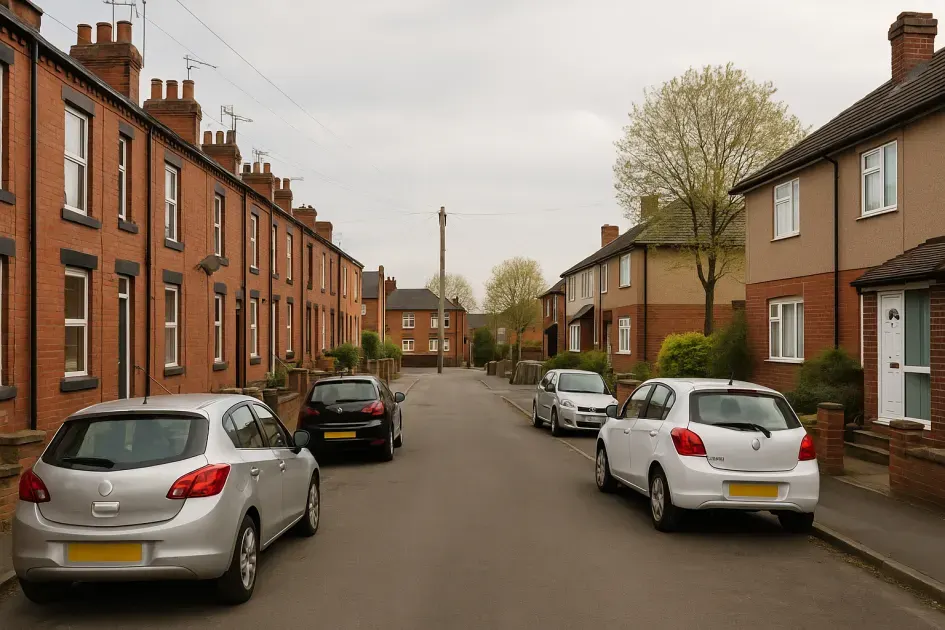
West Leeds covers a mix of Victorian terraces (Armley, Bramley), converted flats and purpose‑built blocks (Kirkstall Road and canal corridors), semi‑detached suburban streets and newer housing estates on the outskirts (Pudsey, Farsley). That mix drives very local operational constraints: narrow pavement crossings on terraced streets, permit parking or controlled parking zones close to the city edge, lifts or no lifts in flat conversions, and variable driveway availability in semi areas. These physical realities determine which days and times are simplest for a full house or office move.

When timing is settled and you need the main booking page, start with removals in West Leeds.

Weekday vs weekend: access, enforcement and traffic

Weekdays bring two opposing factors. On one hand, residents and businesses are active and busy, causing parked cars, bay usage and footfall in places like Armley town centre and the Bramley shopping area—this increases loading time and carry distances. On the other hand, municipal services and building managers are more likely to be contactable on weekdays if you need to arrange a temporary parking suspension.

You will often need to consider For a more practical planning sequence, use this page alongside moving guide for West Leeds and packing advice for moving in West Leeds. at the same time.

For a broader regional view, see Leeds moving timing guide.

Weekday peak traffic on major approaches (A65/Kirkstall Road toward the city and A647 through Armley) creates predictable delays between 07:00–09:30 and 16:00–18:30. Those peaks increase vehicle time on street, which raises cost when hourly rates for crews and vans apply.

Weekends—especially Sunday mornings—are usually easier from an access perspective. There are fewer commuter vehicles on the A65 and A647, and residential streets often have more available curb space. However, some inner‑West Leeds zones retain busy Saturday activity (local shopping streets and market days), so Sunday is typically the quietest day for on‑street loading and shortest carry distances.

End‑of‑month spikes and rental cycles

End‑of‑month demand is real in West Leeds. Many rentals in terraced streets and converted flats have tenancy start dates aligned to calendar months, so the last week of the month and the first few days of the next month see concentrated bookings. That affects both price (surge for professional removal teams) and availability of kerb space. If your property is a rented flat in Armley or a terrace in Bramley, expect longer waits for a loading bay and plan at least 3–4 weeks notice to secure a midday slot.

School holidays and family moves

Family moves cluster in the long summer break: late July through August is the busiest window for houses in Pudsey, Farsley and suburban West Leeds where families want to move between school years. Moving during term time (October–May) often reduces demand and can lower costs, but weekday school runs (08:00–09:15 and 15:00–16:30) still create short peak windows on local roads close to primary schools—avoid those morning and afternoon peaks where possible to minimise loading interruptions and pedestrian congestion.

Traffic patterns that affect timing

Main arterial roads into and across West Leeds produce the most consistent delays: the A65 (Kirkstall Road corridor) and the A647/armley routes see heavy commuter flows that slow large vehicles. Industrial estates and commercial loading near the canal also create lunchtime and late‑afternoon pinch points. Choose move times outside 07:00–09:30 and 16:00–18:30 to reduce time on the road and unloading waits; early starts (from 07:30) can be effective but check resident parking and access in advance.

Property type and operational friction: how building form changes the best time

Terraced houses: Narrow pavements and no driveways are common in central Armley and parts of Bramley. Expect long carry distances from legal parking spots to front doors and staircases that slow removal teams; this increases labour time and cost. Weekend moves are often simpler for terraces because parked cars are fewer, but you still need to allow extra loading minutes.

Flats and conversions: Many conversions lack lifts or have small-lift access. Purpose‑built blocks along Kirkstall Road may have working lifts but busy communal areas. For stairs or lift scheduling, aim for morning slots and avoid bank holidays when lift maintenance or block bookings can limit access.

Semi‑detached and new builds: Outlying semi detached streets in Pudsey and newer developments often have driveways and off‑street parking, which hugely simplifies loading. However, new build sites can have unfinished access roads and soft verges — in wet weather this increases risk of stuck vehicles and may slow loading. For new developments, avoid heavy rain days and consider midweek moves when builders’ deliveries are less frequent.

Parking, permits and practical planning

Several inner‑West Leeds streets sit within resident parking schemes or have short bays. If you need a dedicated loading bay, apply for a temporary suspension through Leeds City Council well in advance — doing this 7–10 working days before the move reduces the risk of parking enforcement or competing use. Where a bay suspension isn’t possible, early Sunday moves often provide the best chance of free curb access with minimal obstruction.

Weather and seasons: real‑world implications

Summer: high demand (families, rental turnovers) but generally better weather for long carries, garden-to-van access, and loading ramps. Expect higher booking prices and less availability in July–August.

Autumn and winter: shorter daylight, more rain and occasional frost increase loading times—muddy drives at new build sites slow vehicle positioning and add cleaning time for furniture. Plan extra time for protective coverings and ensure safe routes for stair carries when steps are wet or icy. Late autumn weekdays can be quieter and cheaper but always factor in weather‑related delays.

Practical checklist for picking the best day

  • Aim for a Sunday morning to combine low traffic on the A65/A647 with minimal street parking in many residential pockets.
  • If your property is a flat with stairs, book earlier in the day on a weekday when fewer residents are moving in and lifts are more reliably available.
  • Avoid the last three days of the month if possible—expect longer waits and higher costs due to tenancy turnovers.
  • Check Leeds City Council parking rules and arrange temporary bay suspensions early for inner‑West Leeds streets.
  • Allow buffer time in bad weather and for long carry distances from legal parking to front doors—these are common in terraced streets and can double loading time compared with a property with a driveway.

For more on how timing affects moves across Leeds, see the broader guide at Leeds moving timing guide. For packing specifics tailored to building types common in West Leeds, review packing advice for moving in West Leeds and for local area details refer to removals in West Leeds.


Common questions about timing a move in West Leeds

Answers to practical timing and planning questions specific to West Leeds: how traffic, parking rules, building types and the local rental cycle change the easiest and hardest days to complete a move.

Weekends—especially Sundays—are often easier for access because commuter flows are lower on main arteries like the A65 and A647 and there are fewer delivery vans blocking narrow residential streets. However, many inner‑West Leeds streets (Kirkstall, Armley) are in controlled parking zones that remain busy during Saturdays; check Leeds City Council restrictions and consider a Sunday move where parking and loading are least constrained.

End‑of‑month (last week and first three days of the month) is noticeably busier because tenancy turnovers in terraces and converted flats cluster around tenancy start dates. That increases both price and booking lead time for large moves from areas like Bramley and Armley—book several weeks ahead and allow extra loading/unloading time for queues and limited bay availability.

Yes. Many converted Victorian terraces and purpose‑built blocks near the canal and Kirkstall Road have no lift or only narrow staircases, which increases labour hours. Schedule moves earlier in the day to avoid afternoon congestion and to ensure natural light and extra time if multiple flights are involved; weekend moves may reduce elevator sharing with residents but check block management rules.

Late July to early September is the busiest period for family moves: parents schedule around the summer break and local primary and secondary school catchments in Pudsey, Farsley and Bramley make late August/early September a peak. If you can, target late June or mid‑September for lower demand and more flexible arrival times.

Peak congestion is weekday mornings (approx 07:00–09:30) inbound to the city and evenings (16:00–18:30) outbound. Key pinch points affecting West Leeds moves include Armley Gyratory/A647 and the Kirkstall Road (A65) approaches; route planning around these peaks reduces vehicle idle time and unloading delays.

Yes. Nearby events, nightlife or major local activity can reshape how smoothly a move runs. In West Leeds, timing is a logistics decision, not decorative calendar theatre.