Access and property constraints in Glasgow
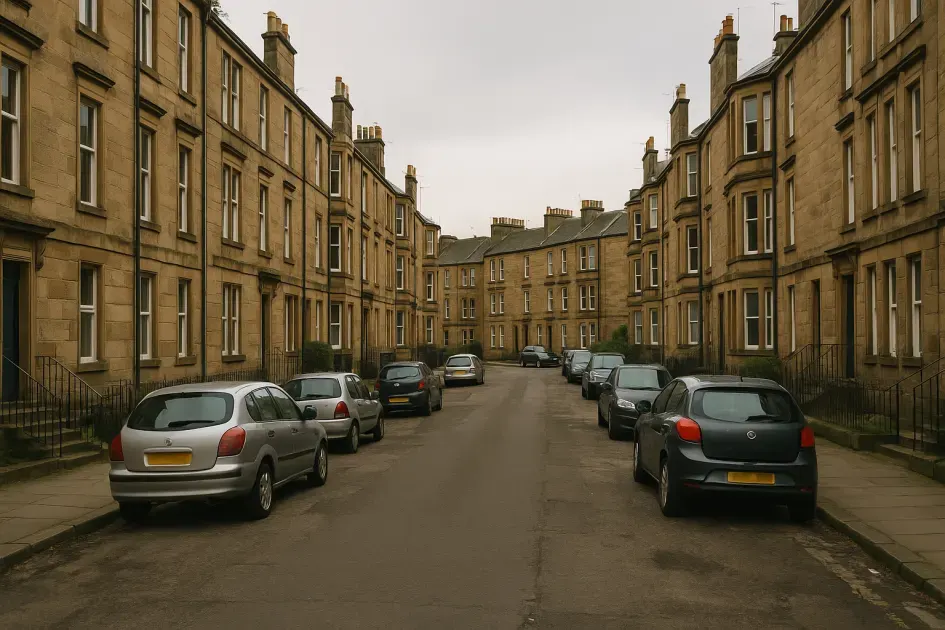
Across the city you’ll encounter mixed property types: tenement flats, terraces with tight frontage access, and newer apartments with concierge-managed moves. Each brings different loading realities and rules that shape crew size and arrival times.
- Narrow streets and one-way systems can limit where vehicles can stop and turn.
- Permit parking and controlled loading windows affect how long loading can take.
- Stairs and split landings add carry time, especially in upper-floor tenements.
- Flats may require lift bookings, proof of insurance, or pre-booked move slots.
- Terraces with short front gardens or tight gates restrict trolley use and angles.
Street access and loading realities
Confirm the exact vehicle stopping point at both addresses. Where front-door loading is not possible, identify the closest legal bay and measure the carry distance. If the street is narrow or on a hill, consider smaller vehicles and shuttle loading to keep traffic moving.
- Check for bus lanes, clearways, and school streets with timed restrictions.
- Look for dropped kerbs, hydrants, or driveways—these cannot be blocked.
- On terraces with tight frontages, pre-clear pathways and protect steps/handrails.
- In busy areas, plan a banksman to guide reversing and maintain safe footpaths.
Building and property friction
Apartment blocks often require lift bookings and concierge sign-off. Tenement stairwells may be tight with corners that need door removal or mattress slings. Basements and upper floors add carry distance, while garden flats can need rear-lane access planning.
- Request goods-lift access and protective pads where available.
- Pre-measure bulky items against stair turns, lifts, and lobby doors.
- Notify neighbours if shared halls are used to avoid obstructing exits.
- List fragile floors, glass balustrades, and narrow hallways needing protection.
Parking, permits, and managed access
Many streets use resident permits or pay-and-display with time caps. If no suitable legal bay is nearby, explore a temporary bay suspension through the council or work with building management to reserve a loading area. City-centre and commercial sites may limit loading to specific windows—align arrival and allocate a runner to manage the bay.
- Confirm permit zones and loading restrictions for both addresses.
- Arrange bay suspensions where legal stopping is otherwise impossible.
- Share vehicle dimensions with building management for loading-dock clearance.
- Prepare signage and cones if approved to keep the loading path clear.