Packing advice for moves in North Edinburgh

Packing for North Edinburgh: how the local layout changes what you need to do

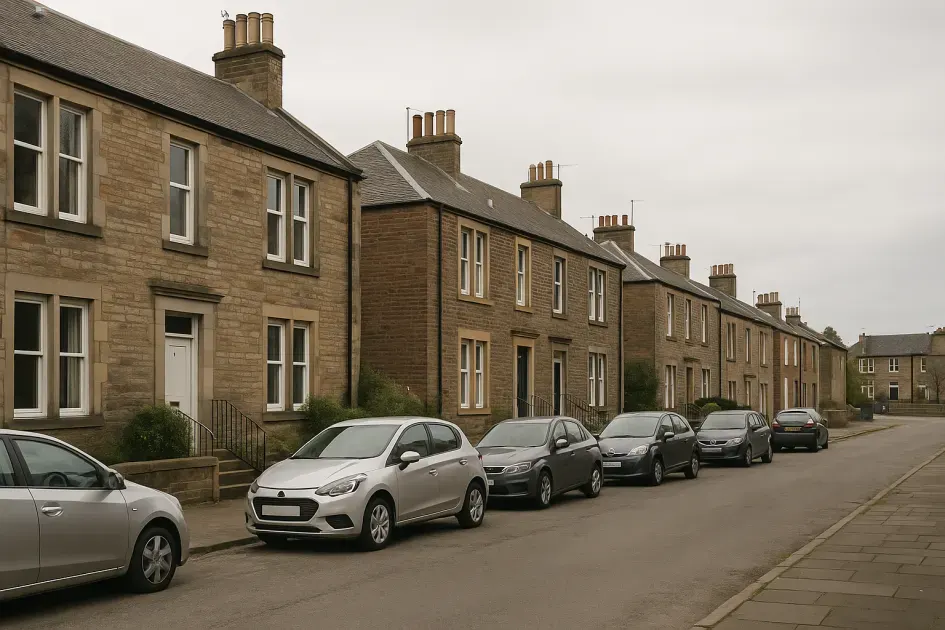
North Edinburgh covers a mix of older tenement flats, Victorian terraces, semi-detached houses and recent new-build developments. Each of these property types meets its own access realities: narrow, twisting stairwells in traditional tenements; cobbled back courts and tight terraces in areas around Leith; slab-block stair cores in Pilton and Muirhouse; and gated service yards, allocated parking bays and compact lifts in Granton’s newer builds. Packing choices should reflect the real friction on move day – carry distances, lift size, parking and permitted loading times all change how long a job will take and what will keep your things safe.

When you need the main booking page, start with removals in North Edinburgh.

For a parent-area overview, use Edinburgh moving timing guide.

You will often need to consider To keep planning practical rather than repetitive, connect this page with best time to move in North Edinburgh and moving guide for North Edinburgh. at the same time.

Packing for stairs and flats

Many North Edinburgh flats do not have large freight lifts. Practical steps:

  • Use small, strong boxes for heavy items (books, crockery). A small box may seem inefficient but saves time and avoids injuries on steep, narrow flights.
  • Protect banisters and walls with moving blankets and corner protectors; older stair paint chips easily and damage slows the carry process because extra care is needed.
  • Measure stairwell width and any turns in advance and compare with the dimensions of sofas, wardrobes and mattresses. If an item won’t pass, plan to disassemble it: remove legs, backs and detachable pieces before move day.
  • For flats with communal entries or back courts, label boxes with the flat number and floor (see labelling section). That prevents confusion when multiple households use the same corridor.

Protecting items for longer carry distances

Where parking is restricted and the carry from van to front door is long, items face more handling and exposure to road and weather. In North Edinburgh you might face cobbles, stone steps and exposed yards — pack accordingly:

  • Wrap mattresses in waterproof covers and seal wardrobes or fabric sofas in quilted blankets to protect from damp and scuffs.
  • Double-box fragile items: an inner padded box and an outer box reduce breakages from repeated handling across courtyards or long pavement walks.
  • Use straps and shrink-wrap on larger furniture so repeated lifting doesn’t loosen joints. Shrink-wrapped items are also easier to slide on trolley boards if you need to cross a stretch of cobbles.
  • Prepare a small ‘essentials’ box (kettle items, basic tools, chargers) for immediate access in the first hour at the new property so you avoid repeatedly moving back and forth.

Efficient labelling and loading for constrained access

Loading efficiency directly reduces the time and therefore the cost of moves in areas where parking and access are limited:

  • Label every box with: destination property (house or flat number), floor, and room (e.g. "Flat 2B – 2nd floor – Kitchen"). That prevents items being carried to the wrong flat via shared stairwells.
  • Colour-code by floor: assign a sticker colour per floor so porters can group loads for single trips up a stair.
  • Indicate orientation and priority on boxes: mark fragile, heavy (approx kg) and which items need to be offloaded first at the receiving property. Load the van so the items needed first at the destination are accessible at the tailboard.
  • Stagger the packing sequence so bulky items that fit lifts go on first and those that will be carried up stairs are grouped together for quicker shuttles over short distances.

Preparing for tight access and awkward loading positions

Tight kerbs, narrow terraces and pavement parking in North Edinburgh create awkward loading angles. Anticipate the implications:

  • Measure doorways, hallway widths and lift interiors at both properties. Many modern lifts can be short and narrow even if buildings look large from the street — a mattress or double wardrobe might need to be angled or disassembled.
  • If the van cannot pull up directly outside, plan the handover point. A 20–50m carry across cobbles or a communal yard multiplies handling time – plan accordingly by protecting the floor and investing in extra padding for items that will be set down and picked up repeatedly.
  • Account for local parking controls. Controlled Parking Zones and loading restrictions increase the distance between van and front door; if a temporary loading bay is necessary, apply through the city council in advance to avoid last-minute delays.
  • Allow extra time per item when planning: expect an additional 10–30 minutes per bulky piece if there are more than two flights of stairs or if the carrying distance exceeds 20 metres on uneven surfaces.

Real-world implications for time, cost and planning

Packing choices made before move day have measurable impacts on the job’s duration and cost in North Edinburgh:

  • More handling equals more time. Long carries and tight stairwells can increase labour time substantially; packing that reduces trips and protects items saves both time and repair costs.
  • Specialist handling or equipment (trolleys for cobbles, extra padding, removal of doors) adds to overall project cost but prevents damage and delays on streets where access is restricted.
  • Advance planning reduces unknowns: measure, photograph access points and check parking/loading rules at both properties. Booking any necessary temporary loading permissions in advance avoids hold-ups on the day.

Next steps

Use these packing guidelines alongside local move planning tools: check the overall schedule for North Edinburgh moves at Edinburgh moving timing guide, and review area-specific considerations at removals in North Edinburgh. For seasonal considerations around street parking and quieter windows for loading, see best time to move in North Edinburgh.


Frequently asked questions about packing in North Edinburgh

Answers to common packing questions specific to North Edinburgh properties, covering stairs, lifts, long carries, parking and loading constraints.

Use smaller, denser boxes for heavy goods and soft bags for light but bulky items (linen, duvets). Measure stair width and any 90° turns before moving large furniture. Wrap corners with moving blankets and consider full disassembly for sofas, bookcases and beds; many stairwells in older North Edinburgh tenements are tight and a single bulky item can block the route, increasing carry time and risk.

Expect a longer carry across cobbled sections and communal yards in Leith or across service yards in Granton. Use waterproof mattress bags, edge protectors for frames and double-box fragile items. Secure boxes to trolleys with straps and pad between loads to prevent impact damage during repeated handling.

Label boxes with floor number, flat/house number and destination room (e.g. "2F — Kitchen — Flat 3B"). Use colour stickers for floors (green = ground, blue = 1st, red = 2nd) and mark heavy boxes with weight estimates. That saves time when the van can't park directly outside and items must be carried across a courtyard or along narrow streets.

Yes. New builds often have small service lifts and gated loading yards. Measure lift internal dimensions and keep mattresses and wardrobes disassembled or shrink-wrapped to fit lift doors. If the development has a secure yard, plan the handover point carefully — a short, flat carry is easier than dragging large items up through tight internal corridors.

Where possible. Many North Edinburgh streets operate Controlled Parking Zones and loading restrictions during business hours. Applying for a temporary bay or checking resident permit rules with Edinburgh City Council can reduce delays and avoid parking farther away, which directly increases labour time and therefore cost.

The exact answer depends on the access route, loading position, building type and timing conditions in North Edinburgh, but clear planning is usually the simplest way to reduce friction and avoid surprises.