
Hidden removal costs in North Edinburgh

Overview: why North Edinburgh creates specific extra costs

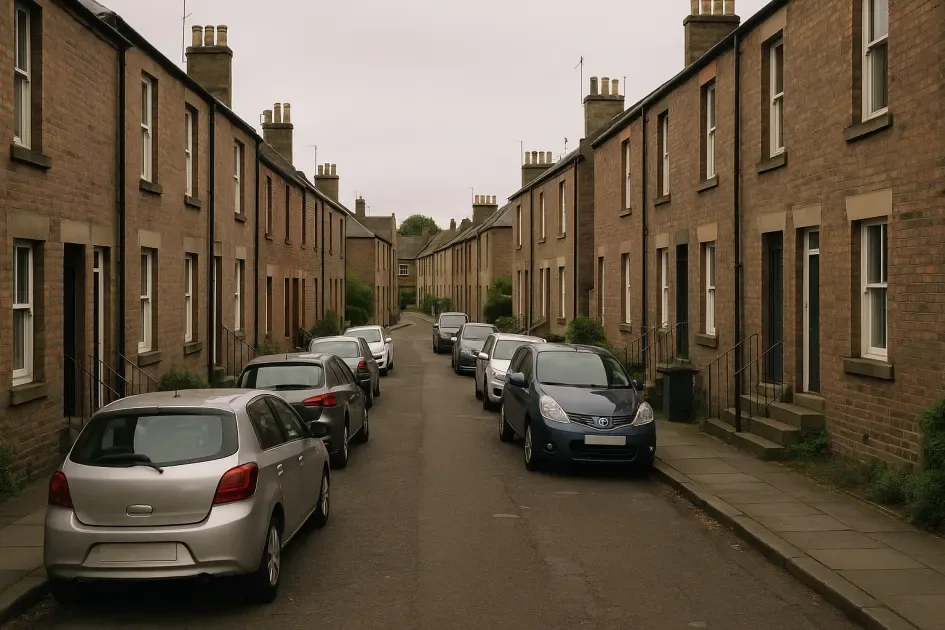
North Edinburgh is a patchwork of narrow Victorian terraces, tenement flats above shops, post-war tower blocks and recent waterfront new builds. Those varied property types bring different physical challenges that translate into measurable time and cost on moving day. This page explains the operational reasons behind hidden charges you may see on a final invoice and how local constraints in streets such as Stockbridge, Canonmills, Ferry Road corridors, Pilton and Granton actually cause them.

Waiting-time charges — how local enforcement and events add minutes and pounds

Parking enforcement in North Edinburgh is active. Traffic wardens patrol residential permit zones and loading bays; there are regular events (for example the Stockbridge market on Sundays) that close off sections of street. If a removal vehicle has to wait because a bay is occupied, because a lift booking hasn’t been confirmed by a building factor, or because a street is temporarily closed, crews will continue to be charged for labour and vehicle time. That waiting is billed either as overtime on crew rates or as a vehicle waiting charge — both increase with each 30‑minute block. In practice, a 30–90 minute delay from waiting for lift access or enforcement checks is common in the area and directly increases the final cost.

removals in North Edinburgh is the main booking page for checking availability, pricing and move details in one place, while moving costs in Edinburgh explains the wider regional context behind cost differences.

Parking fines and permit requirements — the council and private estate realities

Many north-side roads are controlled by resident permit zones and short-stay loading bays. Booking a bay suspension (drop-off/loading space) with City of Edinburgh Council or securing permission from a private estate manager in newer waterfront developments is often necessary for large removals vehicles. If no suspension is in place the crew may be ticketed, fined or ordered to move on — each outcome wastes time and generates extra fees. For new-build blocks in Granton or private-managed estates, gaining manager approval can require 24–72 hours’ notice; failure to do so can force a later return visit with associated travel and labour charges.

Unexpected charges are easier to avoid when you this page with moving costs in North Edinburgh and property access challenges in North Edinburgh.

Long carry distances — tenements, rear closes and waterfront gardens

Many North Edinburgh properties have no on-site parking: classic four‑ or five‑storey tenements and flats above shops in Stockbridge and Canonmills often require furniture to be carried from a roadside drop to an internal stair or communal close. Some houses face onto narrow pavements or have rear garden access down tight alleys. Long carries increase crew fatigue and time on site — movers charge for extra staff hours and sometimes for additional crew when carry distances exceed safety or time thresholds. In waterfront areas or properties with long front gardens, expect additional handling time and potential equipment costs for protective walkways or stair treads.

Extra labour because of stairs, narrow landings and lift limitations

Victorian tenement stairwells have tight turns, narrow landings and low ceilings in places, so large chests, wardrobes and double mattresses often cannot be negotiated without dismantling. In Pilton, Muirhouse and other high-rise blocks, service lifts can be small and subject to resident booking rules; in older blocks a lift may be out of order or reserved for a period, forcing stair carries. These conditions mean more hands on deck, longer item handling times and sometimes specialist dismantling and reinstatement work — each of which is billed per hour or per task. If furniture needs a crane because it cannot pass internal stairs, arranging a crane in built-up North Edinburgh can add site surveys, parking suspensions and hire charges not included in a standard quote.

Delays caused by traffic, narrow streets and vehicle access restrictions

Major approaches through North Edinburgh — including the corridors along Ferry Road and Queensferry Road — experience peak traffic and narrow turning points near tenement streets. Large removal vehicles may be unable to reach a house entrance due to parked cars, loading restrictions or unsuitable turning radii; crews then need to unload further away, increasing carry time. In streets where a van cannot safely turn or park, the crew may have to shuttle items by smaller vehicles or trolleys, extending the job and creating additional labour and equipment charges. These are not abstract risks: they are daily operational realities that add 30–120 minutes to a typical move when access is constrained.

Rebooking and overrun risks — the domino effect on time and cost

Because removals crews operate to schedules, any overrun on a North Edinburgh job — from a late lift, a parking enforcement stop, or unexpected stair work — can cascade into extra costs. If a job overruns the booked window, crews may apply overtime rates; if a vehicle has to return later because access was not permitted at the agreed time, that return trip is billed as a new call-out. For multi-drop or staged moves, an initial delay in the north area can push subsequent appointments into peak traffic windows, increasing travel time and mileage charges. These sequence risks are common in built-up North Edinburgh streets with tight access and active enforcement, so realistic planning must account for potential rebooking and overtime costs.

Practical local checks that prevent surprises

  • Verify whether your street is in a resident permit zone or has short-stay loading bays — parking enforcement is routine and can halt operations.
  • Confirm building factor or concierge rules for lift bookings in new-build blocks and council estates; allow 48–72 hours for approval where required.
  • Identify long carries from the nearest legal parking to your door — long front gardens, rear closes and tight alleys add directly to labour time.
  • Check local events and market days (for example Stockbridge market) that can close streets or remove parking on specific days.
  • Consider narrow staircases and potentially needed dismantling or crane lifts — both have lead times and extra costs.

Where to get broader cost context

These local cost drivers sit alongside standard national cost items. For an overview of how access and time feed into moving prices across Edinburgh, see /removals/edinburgh/moving-costs. For the North Edinburgh parent page with local service details and logistics notes, see /removals/edinburgh/north-edinburgh and the related page /removals/edinburgh/north-edinburgh/moving-costs for specific North Edinburgh planning guidance.


Frequently asked questions about hidden removal costs in North Edinburgh

Short answers to common concerns about access, permits and extra charges that arise when moving in North Edinburgh. These focus on local logistical realities and how they translate into time and cost.

Narrow residential streets, the Stockbridge Sunday market on Raeburn Place and tiered tenement landings often slow loading. If the removal vehicle cannot park close and crews must carry items further or wait for traffic wardens, hourly labour and waiting-time charges increase the final bill.

Many streets in North Edinburgh are controlled by resident permits or have limited loading bays. A bay suspension from City of Edinburgh Council — or permission from a private estate manager for new-build areas — is frequently required for a large removal vehicle; arranging it late can mean parking fines or extra time circling for a legal space.

Victorian tenement staircases and older tower-block service lifts in areas such as Pilton and Muirhouse cause slower handling. Heavy items that won’t fit lifts or tight landings require more labour or specialist equipment, increasing hours on-site and therefore cost.

Yes. Queensferry Road and Ferry Road corridors can have peak congestion and tight turn restrictions; if a large vehicle cannot access a street and needs to reroute or return later, that rebooking and the extra labour/vehicle time become additional charges.

Allow extra for controlled parking checks, lift bookings and pedestrianised periods (markets or school runs). Crews may bill on an hourly basis after the booked time; on streets with active enforcement, even a short delay to find legal parking can trigger waiting-time charges.

Absolutely. When the internal path is longer than expected, every trip takes more time, and moving jobs are made of many repeated trips. The arithmetic becomes rude very quickly.