
Access and property constraints in Derby
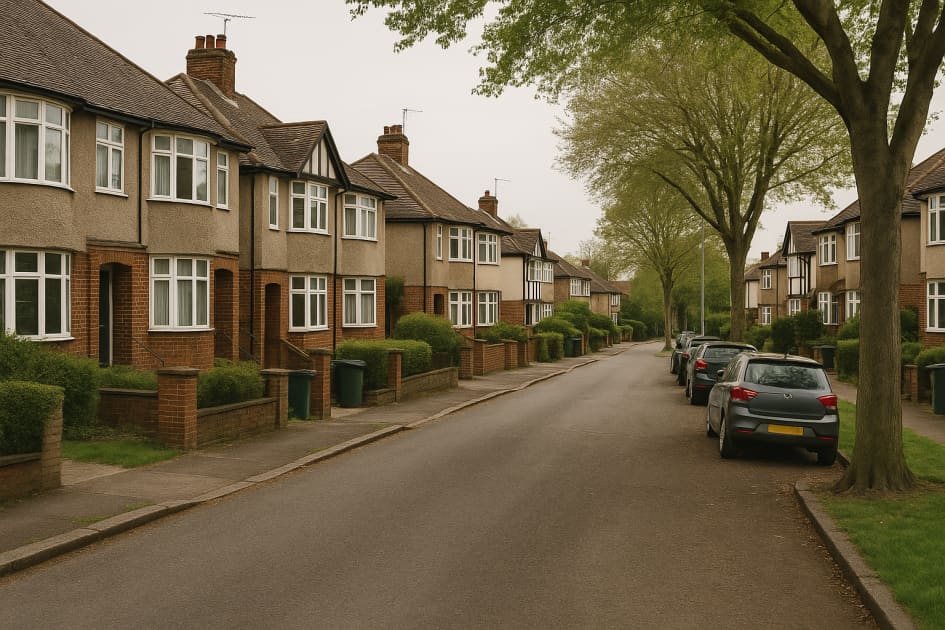
Derby’s mix of city-centre apartments, suburban cul-de-sacs, and older terraces creates varied access needs. Narrow streets, permit parking, timed loading bays, and tight frontage can all shape the plan. For dates, vehicle choice, and service scope, see our Derby removals page.
For broader context, these guides may help: Moving Costs and Derby moving timing guide. If you’re weighing up neighbourhood fit, check the local planning guide.
Street access and loading realities
Expect a few practical constraints across Derby streets:
- Narrow or one-way streets can restrict larger vehicles; confirm approach routes and turning space.
- Permit parking and residents’ bays may need visitor permits or a temporary bay suspension to load at the door.
- Controlled loading windows in busier zones may cap start and finish times; align arrival with those periods.
- School streets and timed restrictions around peak hours can block access; plan alternative routes or arrival slots.
- Long carry distances from the kerb to the door increase handling time; measure and plan where to stage items.
Building and property friction
Property form often dictates handling method and timing:
- Flats: confirm lift size, weight limits, and whether a service lift or padding is required; book lift slots where needed.
- Concierge rules: some blocks require proof of insurance, move notices, or protective floor coverings; organise this early.
- Stairs: tight turns and narrow treads slow progress; note largest items and consider partial disassembly.
- Terraces and tight frontage: short forecourts and shared alleys can bottleneck the load-out; stage items in manageable waves.
- Basements/lofts: steep or narrow access demands extra care and time; pre-clear routes and lighting.
Parking, permits, and managed access
Check the local rules for your street and building:
- Permit zones: arrange visitor permits where allowed, or look into a temporary bay suspension to position the vehicle close to your door.
- Council processes: applications may require lead time and evidence (vehicle details, dates, address). Start early to avoid defaulting to distant parking.
- Private estates and apartment blocks: coordinate with management for loading bays, lift bookings, padding, and any move-time windows.
- Fallback planning: if a large vehicle can’t reach, prepare a shuttle plan with a smaller van and agree staging points.
