
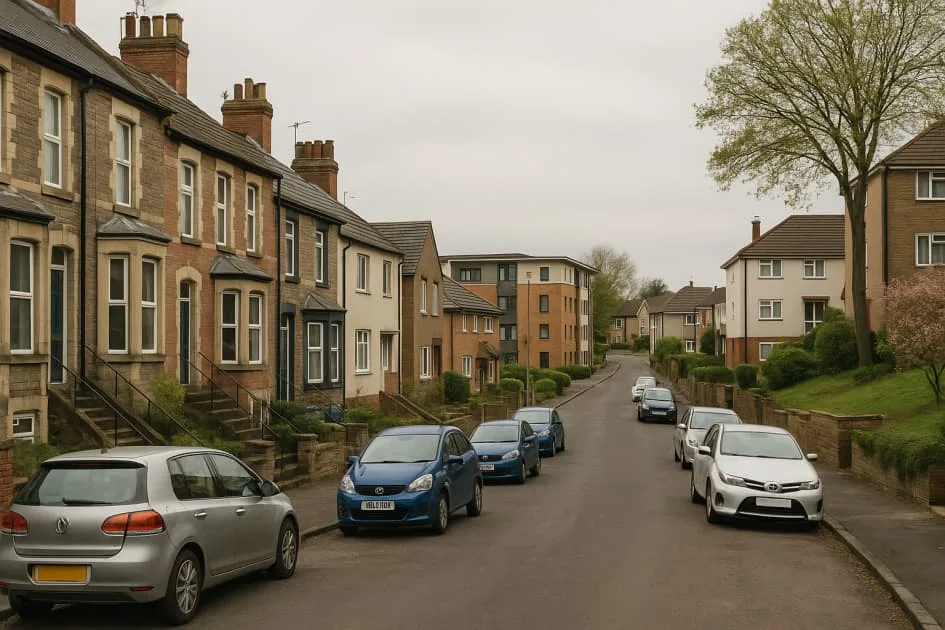
Caerphilly’s best windows for removals combine lower demand, predictable access and shorter carry distances. Practically that means: mid-week (Tuesday–Thursday), mid-month, outside school holidays, and early mornings after rush hour. These slots reduce queuing for loading bays in the town centre, avoid commuter traffic on the main approaches into Cardiff, and make it simpler to organise temporary parking suspensions with Caerphilly County Borough Council when a large removal vehicle needs close access.
When timing is settled and you need the main booking page, start with removals in Caerphilly.
For the wider picture across the area, refer to Cardiff moving timing guide.
Terraced homes in older parts of Caerphilly often have very limited kerbside space and narrow frontages: scheduling outside busy shopping days, and allowing extra time for short-distance carries and stair work, reduces overall disruption. Flats above shops or in converted town-centre buildings frequently have small lifts or only stairs; moving mid-week avoids busy commercial deliveries that can block lifts and increases likelihood of quieter service lift access. Semi-detached houses in suburban estates usually have driveways and are easier to service, but new-build estates can pose operational issues due to estate roads with tight turning circles and short-term parking restrictions—moving when builders’ traffic is light (weekday mornings mid-term) helps.
You will often need to consider For a more practical planning sequence, use this page alongside moving guide for Caerphilly and packing advice for moving in Caerphilly. at the same time.
Caerphilly town centre around the castle and high street has constrained on-street parking and short-term bays; on busy days loading time can double if the crew must relocate the vehicle repeatedly. Many residential streets in older neighbourhoods are Victorian terraces with narrow pavements and no dropped kerb, increasing carry distance and labour time. For flats, particularly above shops, expect additional time handling stair carries and coordinating lift use. For new-build estates on estate roads, allow for manoeuvre time and possible obstruction from parked cars; arranging a temporary parking suspension through the local council can save hours on moving day.
There are predictable pressure points that make moves in Caerphilly take longer and cost more:
Traffic around Caerphilly is influenced by commuter flows to Cardiff and local school runs. The Rhymney line at Caerphilly station concentrates commuters at peak times and can make roads around the station and Cardiff Road busier. For moves that rely on a removal vehicle arriving from outside the borough, avoid the 07:30–09:30 and 16:00–18:30 windows; for local moves, an early mid-morning start after the first commuter surge often gives the cleanest access.
Summer brings longer daylight and fewer icy conditions, which helps with complex moves and long carries. However, special events at Caerphilly Castle and town-centre festivals occur in summer and can cause short-notice road closures and high parking demand — check local event calendars and avoid festival weekends to prevent delays.
Persistent rain in autumn and winter increases loading times, dirtying furniture and making paths slippery. Properties on the slopes of Caerphilly Mountain or on rural lanes into neighbouring villages can become muddy or icy; this increases carry effort and may require tarpaulins, mud mats or extra crew time. Snow is less frequent but when it occurs it concentrates disruption on the higher ground and narrow lanes rather than the town centre.
Spring term-end and the Easter break create a modest second spike in demand from families moving and from people timing rental changes. If you can avoid the week before Easter, you’ll typically face fewer booking pressures and lower risk of event-related closures.
If your property is a terraced house with no off-street parking, budget for longer loading and unloading: extra crew time for repeated short carries and possible double-handling can add 1–3 hours to the job. Flats with stair-only access or small lifts commonly add significant labour and time; allow an extra hour per flight of stairs for bulky items. New-builds with narrow estate roads or cul-de-sacs may require longer manoeuvre time and an official suspended parking bay—arranging that through Caerphilly County Borough Council well in advance reduces the chance of day-of delays and associated charges.
For more on Caerphilly-specific logistics and broader timing principles across Cardiff, see the Caerphilly removals overview at removals in Caerphilly and the wider timing guide at Cardiff moving timing guide. If you need packing pointers tailored to Caerphilly properties, consult packing advice for moving in Caerphilly.
Answers to practical questions on when to plan a move in Caerphilly, taking into account local roads, property types, parking restrictions and seasonal patterns.
Weekdays (mid-week, mid-month) are usually easier for large removals in Caerphilly because parking suspensions and access for a removal vehicle are simpler to arrange with Caerphilly County Borough Council and there is less shopper parking than on Saturdays. Weekends can be quieter on residential roads but town-centre streets around the castle and high street are busier with shoppers and market traffic on Saturdays, so loading times can increase.
End-of-month and last-Friday moves create spikes in demand across the Cardiff commuter belt, including Caerphilly. That increases vehicle booking pressure and driver wait times, which often adds to cost and may force earlier starts. If you can move mid-month you’ll usually avoid the busiest windows and reduce the chance of extra waiting charges.
Yes. School holidays—especially summer and the two-week October/Christmas breaks—bring heavier local traffic around school-run hours and popular family weekends. If you have young children, moving during term-time mid-week reduces interference from holiday traffic and shortens loading windows compared with peak school-holiday weekends.
Morning (roughly 07:30–09:30) and evening peaks (about 16:00–18:30) are busiest on routes into Cardiff and on Cardiff Road through Caerphilly town. Avoid scheduling long-distance removals to start in those windows; for local moves within the borough an early mid-morning start avoids congestion and lets crews complete stints before afternoon school runs and commuter peaks.
South Wales rain and wind are common and can slow loading, extend carry times and increase packing needs for furniture. Properties close to Caerphilly Mountain and rural lanes leading to Bedwas or Abertridwr are more likely to suffer muddy or slippery approaches in winter, increasing carry time and manpower needs. Consider avoiding single-day moves during prolonged heavy rain or forecasted icy spells.
Yes. Nearby events, nightlife or major local activity can reshape how smoothly a move runs. In Caerphilly, timing is a logistics decision, not decorative calendar theatre.