Pinner Parking Permits – Loading Access, Restrictions and Planning

Parking and loading plans in Pinner can decide how smoothly the whole move begins. This page is about the practical stopping position, the likely loading route and the checks worth making before the van arrives.

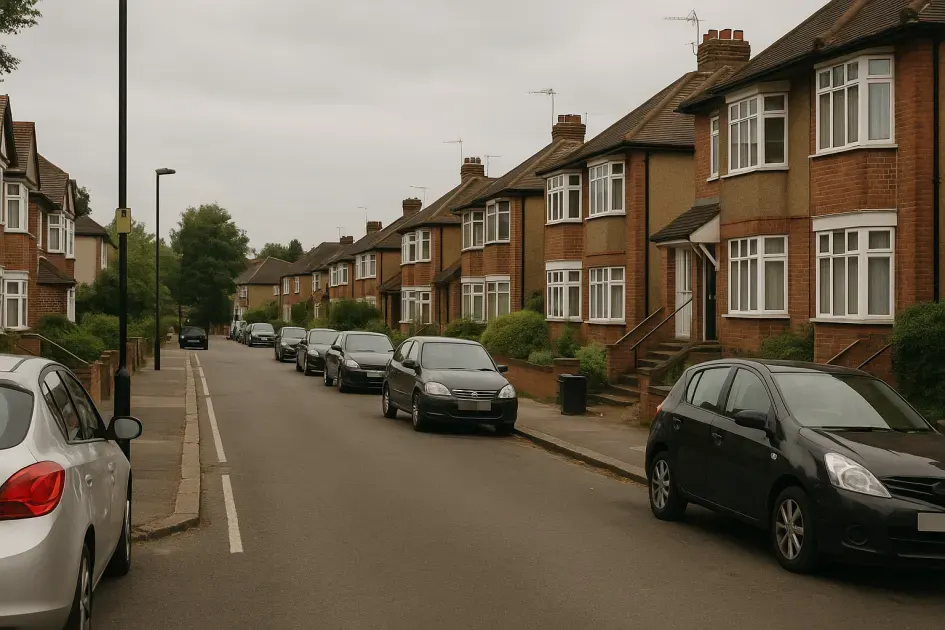
Pinner is often shaped by 1930s semis with front drives, larger Metroland houses with long front gardens, and apartment blocks near the centre with controlled entry and shared lifts. That mix matters because the best legal stopping point is not always the closest physical point to the door, and a small mistake here can slow every trip between property and van.

When you need the main booking page instead of permit detail alone, start with Pinner man and van service and use ULEZ guide for Watford moves for the broader regional picture.

Quick summary

  • The useful question is where the van can load, not just where it can technically stop.
  • Common friction points in Pinner include longer garden paths, side access routes, tighter forecourt positioning, controlled entrances, and parking pressure closer to the station and town centre.
  • Parking restrictions are often a bigger issue than distance on short urban jobs.

Why parking and loading access behaves differently in Pinner

Kerbside access is local by nature. In Pinner, driveways help in some streets, but they do not always create a clean loading line if cars, steps or narrow paths interrupt the route. That means a move can feel straightforward on paper but still run slowly if the loading setup has not been checked in real terms.

You will often need to consider To turn permit research into a workable plan, connect it with property access challenges in Pinner and moving costs in Pinner. at the same time.

The service itself is still handled through one coordinated booking platform with vetted local drivers rather than a loose directory of operators. This helps you avoid delays on moving day because the important issue here is not choice overload, but practical preparation.

Local examples and planning scenarios

A common pattern is that the street looks manageable, yet the workable loading point ends up farther away than expected. In Pinner, that can happen with front steps, side passages, lift waits, and longer carries from a practical stopping point to the front door, or when managed buildings need advance notice before a van can use a private bay or forecourt.

For the planning issues that often sit next to permit research, compare property access challenges in Pinner and moving costs in Pinner. When you want the main booking route again, return to man and van in Pinner.

Practical advice before booking

  • Confirm the exact stopping point and whether it is usable at the planned start time.
  • Check visitor permits, bay suspensions, estate rules or concierge approval well before the move.
  • Work out the walking route from van to entrance, not only the street address.
  • Keep a fallback loading option in mind in case the preferred spot is occupied.

Use this page as a planning guide, then use the man and van in Pinner page when you are ready to move from access research to booking. That keeps the support page tightly focused on loading practicality.


Pinner Parking Permits FAQs

Common questions about kerb access and loading practicality in Pinner.

Usually, yes. Even when no formal permit is needed, the important point is knowing how loading will actually work. In Pinner, that often means checking factors such as permit-controlled residential roads close to the town centre, station limit daytime kerb access and driveway loading is common on outer residential streets, but van positioning can be tight where cars occupy forecourts before the day itself.

The move can still work, but the loading route needs to be realistic. In Pinner, where factors such as permit-controlled residential roads close to the town centre, station limit daytime kerb access and driveway loading is common on outer residential streets, but van positioning can be tight where cars occupy forecourts apply, the extra walking distance should be understood in advance rather than discovered on the kerb.

Sometimes, but many private or managed spaces need prior approval. In apartment-heavy parts of Pinner, building access rules can matter just as much as the street outside.

Confirm the stopping point, any building permissions, any restricted times, and whether there is a backup loading option if the preferred position is blocked.

In some buildings, yes. Where factors such as courtyard access, narrow approaches and long front gardens, side paths that increase carry distance from van to door are part of the route, confirming permissions early helps avoid delays with fobs, reception desks or move-in slots.

The exact answer depends on the access route, loading position, building type and timing conditions in Pinner, but clear planning is usually the simplest way to reduce friction and avoid surprises.