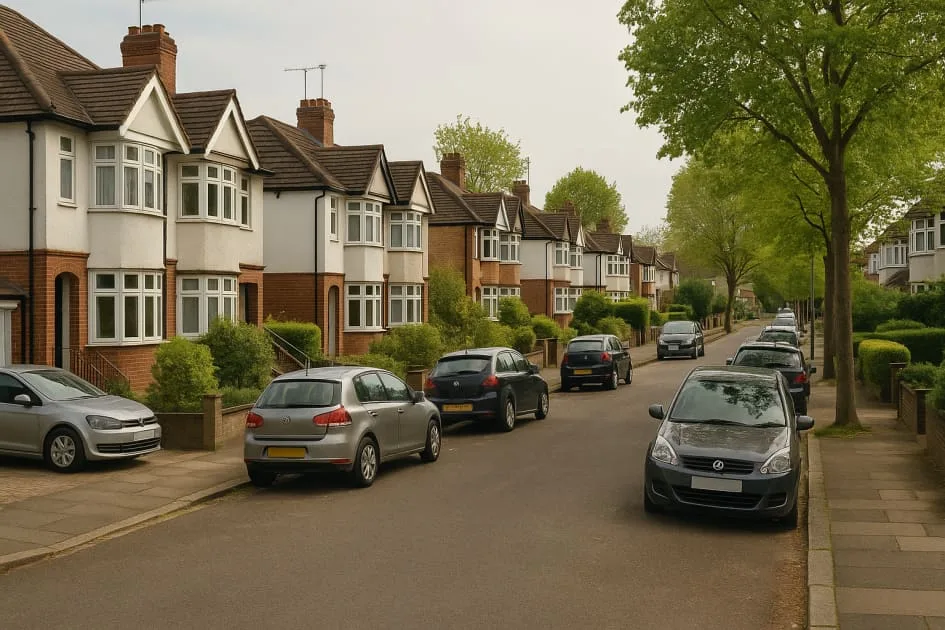
Plan Pinner moving times using the actual council and property arrangements
For a Pinner man and van move, check the loading address and any access appointment before choosing collection time. Use the council responsible for the actual street when arranging parking permission.
Coordinate Harrow street checks with your receiving window
Use the responsible authority for the actual Pinner address; Harrow publishes suspension and dispensation guidance. Confirm the applicable restriction and proposed vehicle position rather than treating a resident permit as a reserved moving space. If an address is near a council boundary, check it precisely before submitting an enquiry.
Give the item list, collection floor and any stairs or lift alongside your preferred date. For a furniture purchase, obtain the seller's available window and measurements before arranging transport. At delivery, ensure someone can provide access and that the item can reach its intended room.
Share any fixed limits before booking, such as tenancy checkout or a managed entrance appointment. Confirm who supplies loading help and finish the agreed preparation in advance. If the seller or receiving contact changes availability, review the move rather than assuming a new time can be substituted without checking the booking and permissions.
Check the address-specific loading arrangements
For public-road access at the moving address, check Harrow parking suspensions and dispensations. Confirm the actual loading arrangement before relying on it; permission for private premises is a separate enquiry.
Before you confirm the move
- Verify the council for the street.
- Confirm seller or collection access.
- Check the receiving window.
- Agree loading help before the day.
Related moving guidance
Watford ULEZ guide · Watford man and van area guide · Watford Best Time to Move · Pinner man and van · Pinner man and van page