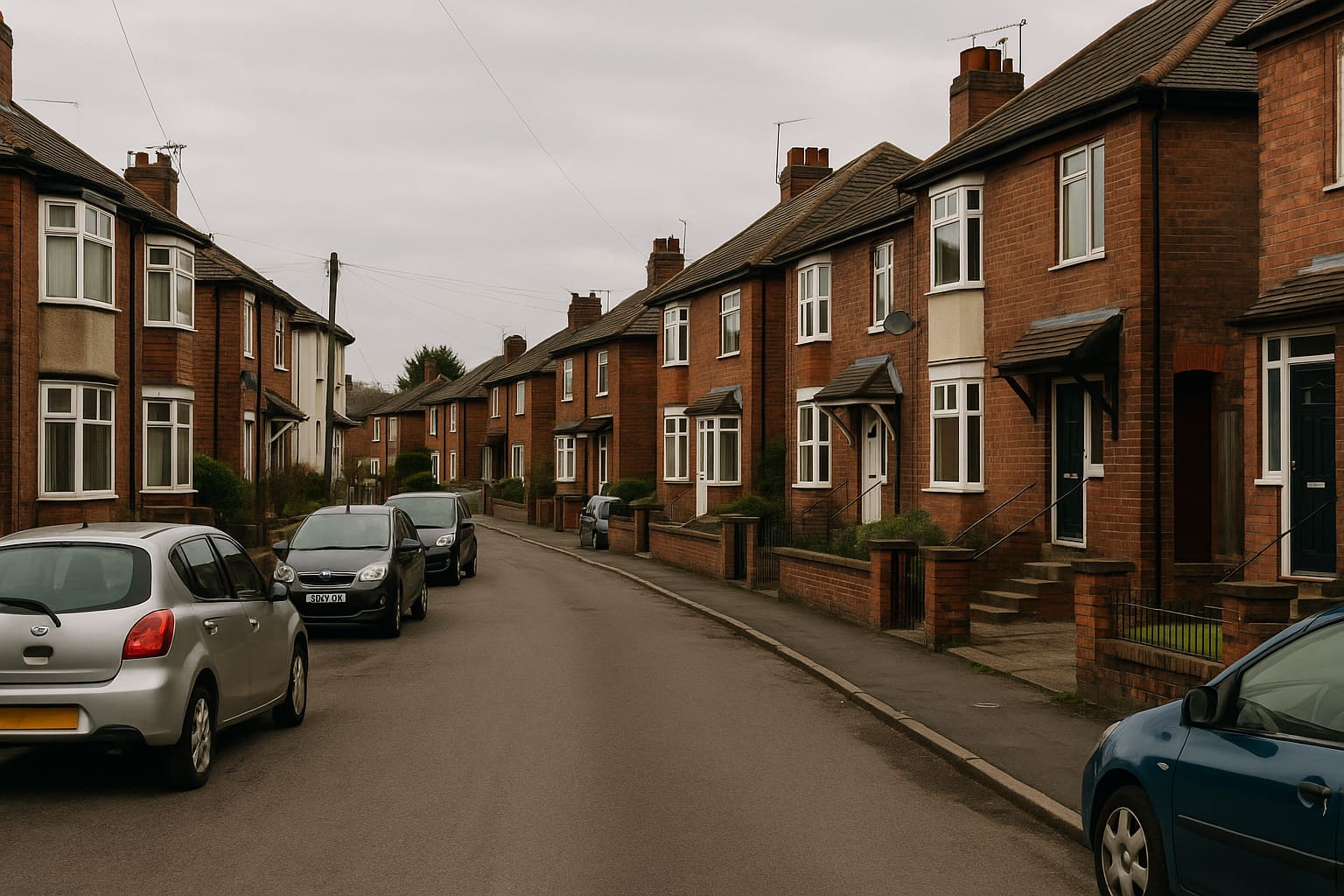
Property access in Latchford depends heavily on housing layout, not just on whether the address sounds central or residential. The same size move can run very differently depending on stairs, door widths, turning space and where the van can realistically work.
Latchford includes older terraces, semi-detached estate housing and small blocks or maisonettes on roads where frontage parking is not always straightforward. In practical terms, that often means narrow hallways, rear-entry loading on some layouts, shared entrances and carries that lengthen when the van cannot take the closest position. The expert point here is that awkward geometry tends to slow a move through repetition, not through one single problem. If you want fewer delays on moving day, understanding the property is usually more useful than focusing only on distance.
For the main local service page, use man and van in Latchford, and for wider context across the parent area keep Warrington borough comparison guide in view.
You can then build out the access picture with parking permits for moving in Latchford and moving costs in Latchford.
The area mixes everyday residential streets with access points that can become awkward once bulky furniture has to clear narrow turns or shared approaches. A property can seem simple until larger items meet a tight hallway, an upper landing or a shared entrance that slows each trip. That is why local building style matters so much to the working pace.
None of this makes the move unmanageable. It just means the one-price booking works best when the property details are shared honestly so vetted local drivers can plan the job around the real access conditions.
A ground-floor flat with a long set-back entrance can load more slowly than a small house with clean driveway access. Likewise, an upper-floor move with easy parking may still need more time if furniture has to clear narrow turns or multiple stair runs. Those are the differences that change the rhythm of the job.
Use the related support pages on parking and moving costs to understand how access issues affect the rest of the move, then return to the main service page when you are ready to book.
This page is here to help you understand the property side of the move without turning into a broad booking page for the whole area.
Common questions about building access and property layout in Latchford.
In Latchford, the hardest properties are usually the ones where the route is indirect rather than simply large. Property types such as interwar semi-detached houses on estate roads around Westy and the Grange estate and post-war low-rise maisonettes and small blocks with shared entrances near Knutsford Road corridors can all create friction in different ways depending on how the access path behaves.
Yes. Stairs and split routes affect every repeated trip, so they change the pace of the whole move rather than creating just one awkward moment.
Because they can introduce waiting points, access control and route narrowing. They are manageable, but they need to be planned for honestly.
Measure doorway widths, stair turns, lift dimensions where relevant, and the real path from the furthest loaded room to the van position.
Very often. A converted building may look straightforward outside while hiding tighter stairs, less predictable lift access or longer internal routes once the job starts.
Yes. Lofts, garages and secondary storage areas spread the inventory across more space, which lengthens the loading phase even when the property looks manageable from the front door.