Latchford Hidden Moving Costs – Delay Risks That Quietly Push Costs Up

In Latchford, hidden moving costs usually show up as lost time rather than as separate add-on fees. The usual cause is friction: extra walking, extra waiting or extra handling that turns a simple move into a slower one.

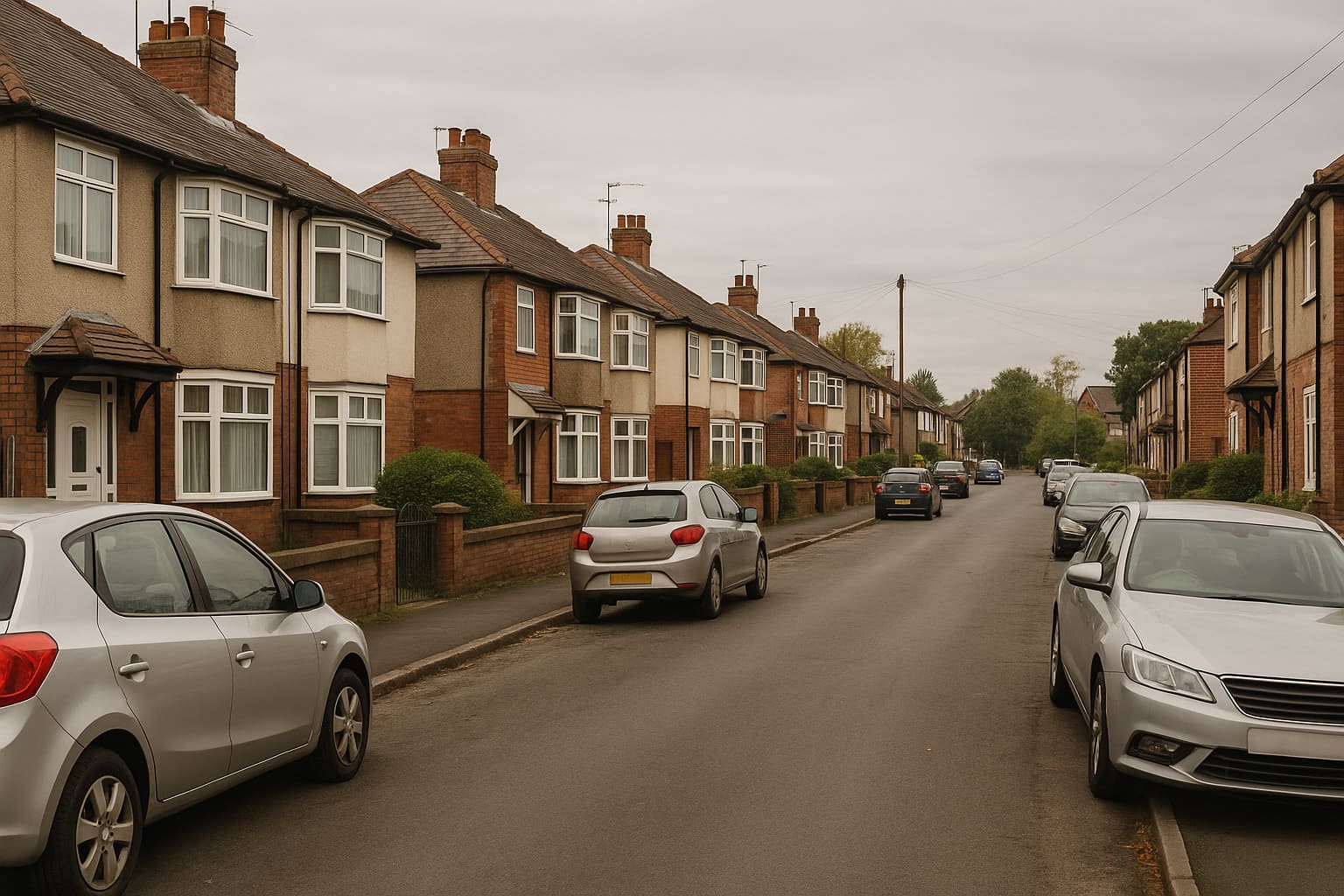
Latchford includes older terraces, semi-detached estate housing and small blocks or maisonettes on roads where frontage parking is not always straightforward. In that mix, hidden cost pressure often comes from narrow hallways, rear-entry loading on some layouts, shared entrances and carries that lengthen when the van cannot take the closest position. The practical insight is that repeated small delays usually do more damage than one obvious obstacle. If you are trying to keep the move within budget, this is where close planning helps most.

When you are ready to move from planning to booking, start with man and van in Latchford and keep moving costs in Warrington available for the wider cost context.

For a clearer view of where delay risk turns into real cost, pair this page with property access challenges in Latchford and moving costs in Latchford.

Quick summary

  • Hidden costs are usually time losses, not surprise extras.
  • Narrow hallways, rear-entry loading on some layouts, shared entrances and carries that lengthen when the van cannot take the closest position can quietly add repeated minutes across the move.
  • Pressure around bridge approaches, busier local corridors and day-to-day queueing that can make short hops less predictable can reduce the margin in the schedule.

Why hidden costs behave differently in Latchford

The area mixes everyday residential streets with access points that can become awkward once bulky furniture has to clear narrow turns or shared approaches. A job can look short and well contained on paper, then run slower once the crew has to wait for access, unload from an awkward angle or carry through a longer route than expected.

That does not mean the move is unusually difficult. It simply means the real working conditions need to be reflected early so the one-price booking stays grounded in how the job will actually run.

Local examples and planning scenarios

A common example is an address with a workable parking spot that still leaves a long walk through gates, courtyards or shared halls. Another is a property where bulky items only clear the route with slower handling. Neither issue is dramatic on its own, but both can shift the total time.

Use this page to spot likely delay points first, then review the related support pages on moving costs and property challenges before heading back to the main service page.

Practical advice before booking

  • Describe the full loading route, not just the address.
  • Mention any entry controls, managed access or booked lift arrangements.
  • Flag awkward furniture pieces that may slow turning space.
  • Allow for the busiest local traffic window when choosing a slot.

This page should help you remove uncertainty from the job, while the main service page remains the place to arrange the move itself.


Latchford Hidden Moving Costs FAQs

Common questions about the quiet delays that can stretch a move in Latchford.

The common hidden costs are usually hidden time multipliers rather than separate charges. In Latchford, they often come from short front paths, narrow hallways in older terraces slowing bulky item moves and stair access, limited on-street stopping and off-street drives common on interwar estates but often single-vehicle width only, and repeated carry distance.

Yes. Lift delays can interrupt the work rhythm repeatedly, and that matters more than people expect. In apartment-led parts of Latchford, they can quietly extend the total job time.

Because the crew spends more time walking, repositioning and waiting. In Latchford, where factors such as limited on-street stopping and off-street drives common on interwar estates but often single-vehicle width only are common, a weak stopping position becomes a tax paid in minutes.

They can be. If factors such as school-run congestion builds on knutsford road, around local primary school approaches and weekday commuter pressure slow arrival, stopping or unloading, the job can drift beyond the comfortable estimate even when the inventory itself is straightforward.

Surface the awkward details early. The more honestly the access route, loading position and timing pressure are described, the fewer surprises show up later as overrun.

Absolutely. When the internal path is longer than expected, every trip takes more time, and moving jobs are made of many repeated trips. The arithmetic becomes rude very quickly.