Why demand patterns matter
When bookings bunch together, start times become harder to control because crews are moving between more tightly packed jobs. One late handover, one blocked bay or one longer-than-expected carry can push the rest of the day back. This is especially noticeable around managed buildings, permit streets and shared loading points, where there is less spare capacity to recover time.
Flexibility is valuable because it creates buffer. Midweek slots, wider arrival windows and earlier planning usually mean better chances of securing a close bay, easier lift booking, and fewer knock-on delays from earlier work. If you are planning a move, choosing the less crowded slot often improves reliability more than anything else. The local conditions behind that are explored in neighbourhood-specific moving differences. A comparable pattern can be seen in man and van services in Windsor.
Typical Slough demand cycle
| Period | Operational effect |
|---|---|
| Weekends | Reduced booking flexibility; higher chance of cascaded delays; slower parking turnover near terraces and retail areas; tighter lift/bay sharing in managed blocks. |
| End of Month | Tenancy changeovers cluster moves; loading bay and lift bookings scarce; stricter handover deadlines create narrow windows; route congestion near estate offices increases. |
| Summer / Student Areas | Turnover spikes near student housing; more permit requests compete for kerb space; frequent stairs carries extend loading; access queues form at popular complexes. |
| Midweek (Non-peak) | Wider start‑time options; easier permit or bay availability; more predictable routes outside school‑run peaks; better buffer to absorb minor delays. |
Eight Slough timing drivers
1) How weekend bookings reduce start-time flexibility
Weekend clustering forces tighter crew changeovers. If a prior job overruns or parking is blocked, later starts slip and there is less room to recover lost time.
2) Why end-of-month tenancy cycles cluster moves
Fixed lease deadlines push many handovers into the same few days. Building lifts and loading bays become scarce, so even a small delay can ripple across the whole schedule.
3) How student-area turnover creates seasonal spikes
Course dates trigger concentrated check-ins and check-outs. Permit bays fill earlier, stairs and corridors get busier, and the easiest loading windows disappear quickly.
4) Why school-run traffic increases scheduling risk
Morning and afternoon peaks slow approach routes and kerb turnover. A later arrival can shorten the usable loading window once the van finally reaches site.
5) How commuter traffic changes route predictability
Peak-hour congestion near main corridors makes travel time more volatile. That uncertainty narrows the margin for bay bookings, key handovers and building slot timings.
6) Why building booking rules reduce available slots
Managed blocks often depend on lift and bay reservations. When demand is high, the best slots disappear first and remaining windows can be less forgiving.
7) How narrow residential streets increase timing sensitivity
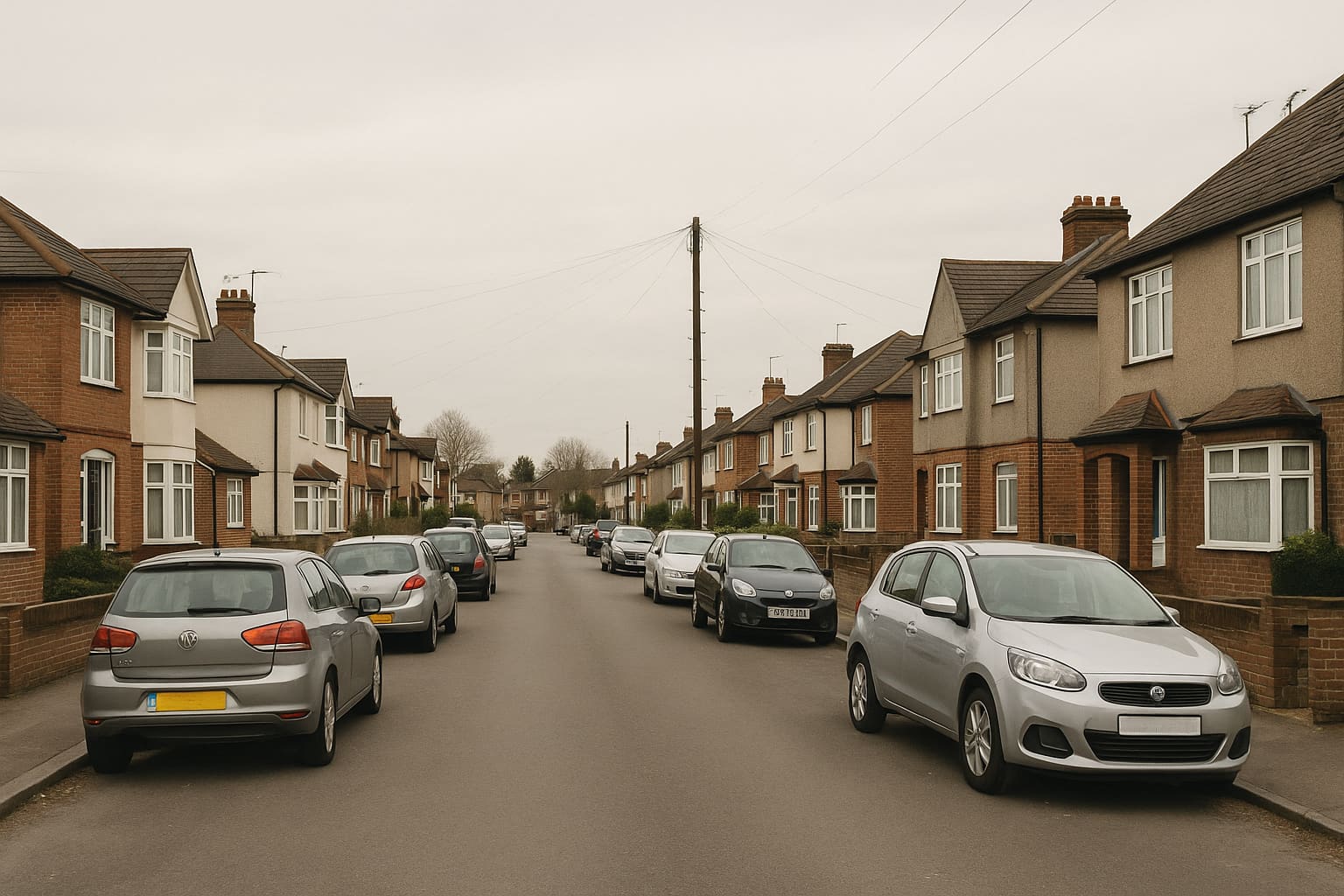
Terrace roads and permit streets reduce close parking options. Longer carries and extra shuttling then make the move more sensitive to any earlier delay.
8) Why mixed-density neighbourhoods produce uneven demand
Areas that combine flats, estates and retail traffic can produce overlapping peaks. Shared access points become busier and parking windows tighten faster than expected.
Scenario modelling
Scenario A: Midweek, flexible window in a cul‑de‑sac with available visitor bays. Predictable routes and easy kerb access allow longer loading buffers and smooth lift sharing.
Scenario B: Saturday move on a permit‑parking terrace street. Visitor cars fill bays; crew must stage items and shuttle from a legal spot, adding loading delay and reducing re‑scheduling options.
Scenario C: Month‑end flat move near student housing with lift booking and school‑run roads en‑route. Kerb space rotates slowly, lift slots are tight, and traffic peaks compress the schedule.
Practical scheduling checklist
- Permit‑parking streets → Arrange visitor permits or a bay suspension and mark the space with cones to cut search time.
- Managed buildings with lift rules → Pre‑book lift and loading bay, and match your arrival window to the reservation to avoid hold‑ups.
- Narrow terrace geometry → Use a smaller vehicle or shuttle method and stage items near the kerb to shorten the carry distance.
- School‑run corridors → Avoid arrivals near peak times or plan an earlier window to protect building access and lift slots.
- Student‑area turnover periods → Choose midweek dates or first‑slot starts to secure parking and reduce stairwell congestion.

