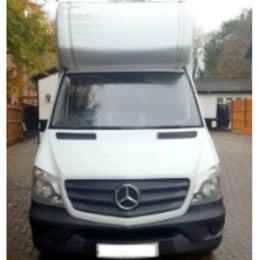
The best time to move in Camden depends on traffic flow, Controlled Parking Zone hours, building access (stairs, lifts, shared entrances), and seasonal demand. Because man and van pricing is time-based, timing is one of the simplest ways to reduce unpredictability.
For the wider London context, see man and van in London.
In Camden, midweek moves (Tuesday–Thursday) are usually more predictable because commuter peaks are easier to plan around and there’s often slightly less competition for kerbside space than on Saturdays. Fridays can be busier due to end-of-week tenancy changeovers and heavier delivery activity on mixed residential/commercial streets.
Weekend moves can still work well on quieter residential roads, but central areas near Camden Town can feel “busier than the map suggests” because pedestrian volume and short-stay stopping patterns make positioning less reliable.
The most reliable start window is usually a weekday morning arrival (roughly 8:00–10:30). You avoid the heaviest late-morning congestion, get better odds of loading close to the door, and you keep buffer time if access takes longer than expected (stairs, long corridors, lift waits).
Try to avoid arrivals that land in the late afternoon commuter build-up. Even short “within-Camden” moves can take longer when key routes slow, and a slower travel leg often becomes the difference between finishing within the booked time or needing extra hours.
Always check local Camden parking permit rules before choosing your start time, especially if you may need a suspension, visitor permits, or a planned loading position.
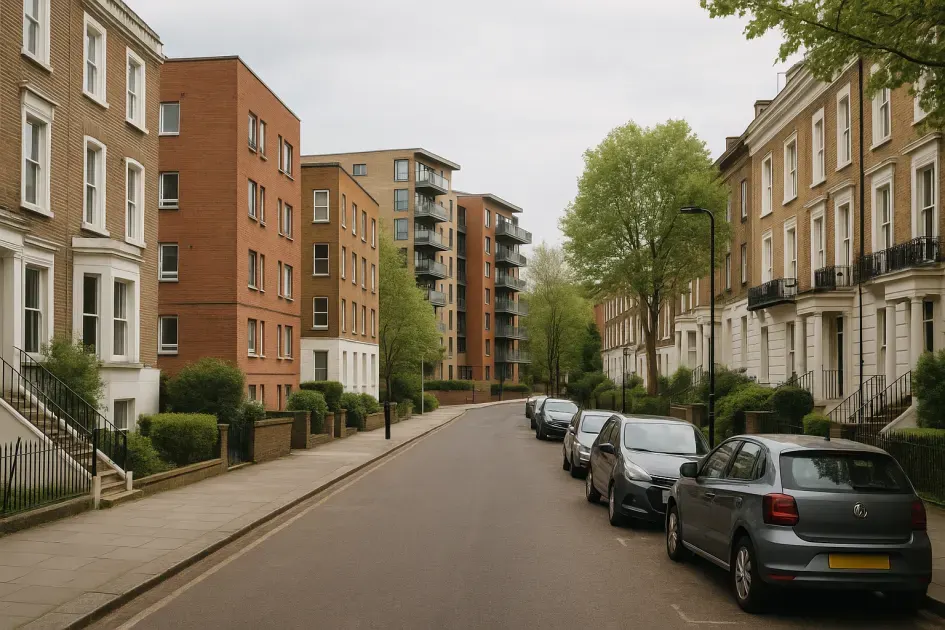
Camden’s housing mix is a timing trap if you plan like every property is the same. Victorian terraces often involve raised entrances and steps, and the fastest moves are the ones where the van can stop close enough to keep carry distance short. Mansion blocks and newer apartments can be efficient, but only if you’ve confirmed lift access, loading bay rules, and whether concierge or management require a booked slot.
Narrower residential streets and one-way layouts can also affect how quickly a vehicle can position and how many “carry runs” are needed. A start time that looks fine on paper can become slower if the only practical stopping spot is half a street away.
Camden behaves differently street by street. A start time that works well in one area may create unnecessary delay in another. Understanding the character of your immediate surroundings helps you choose a more efficient window.
Streets near Camden High Street, Camden Market and the station areas experience higher pedestrian density and delivery traffic, especially late morning and early afternoon. Even short residential roads can feel constrained when footfall increases.
A weekday morning arrival (before 10:30am) is typically more predictable here. Positioning the van earlier in the day reduces the risk of repeated repositioning or longer carry routes caused by temporary stopping restrictions.
Kentish Town combines busier main roads with quieter side streets of Victorian terraces. Traffic along Kentish Town Road can slow noticeably during peak commuter periods, even if your loading street is calm.
Avoiding 4:00–6:00pm arrivals can reduce travel delays between addresses. Mid-morning or early afternoon weekday slots tend to provide the most stable balance between traffic flow and kerbside access.
West Hampstead includes mansion blocks and apartment buildings where lift coordination and shared entrances are common. Timing here is often about internal access rather than street congestion.
Confirm lift availability in advance and aim for a morning slot where building management is reachable if access needs clarification. Delays inside the building can extend loading time even when street access is straightforward.
These areas include narrower residential roads and occasional gradients. Carry distance and step access can influence loading speed more than traffic volume.
Choosing a clear weekday morning window helps ensure the van can position as close as possible before local parking demand increases. Even small increases in carry distance can add time across multiple trips.
Spring and summer are typically busier, with higher demand around tenancy turnover and student movement. In peak months, the best approach is to book earlier and choose a calmer midweek slot rather than relying on a last-minute weekend window.
In most Camden moves, time is the primary cost driver. When traffic is lighter and loading is smoother, you’re more likely to finish within the planned booking duration. When you hit restricted parking windows, long carry distances, or slower routes, the job takes longer — which is why timing is a practical cost-control lever even before you change anything about your inventory.
For pricing context, see Camden moving costs and hidden moving costs.
If you’ve narrowed down a date, confirm your access details (stairs/lift, carry distance, and where the van can realistically stop), then start here: man and van in Camden.
Common questions about choosing the right moving date and time in Camden.
In many parts of Camden, midweek moves — particularly Tuesday to Thursday — offer more predictable traffic conditions and slightly easier kerbside access. Commuter peaks still apply in the early morning and late afternoon, but residential streets in areas such as Kentish Town, Gospel Oak and West Hampstead are generally calmer than on Saturdays.
Fridays and Saturdays can be busier due to tenancy changeovers, higher pedestrian footfall near Camden Town and market areas, and increased demand for bookings. Weekend moves are possible, but they can involve slightly more variability in loading time and positioning.
An early weekday arrival — typically between 8:00am and 10:30am — often provides the most stable conditions. This avoids the heaviest commuter traffic on main corridors such as Camden Road, Euston Road and Finchley Road, and allows more flexibility if lift access or parking arrangements take longer than expected.
Mid-afternoon starts can coincide with school traffic and late commuter build-up, which may extend travel time between addresses.
Yes, indirectly. Man and van pricing is based on the hours booked. When traffic is lighter and the van can park close to the property, loading and travel are more efficient, helping the move stay within the planned timeframe.
Peak congestion, restricted loading hours, or extended carry distances can increase the time required, which affects the total cost.
Summer is typically one of the busiest moving periods in Camden. Student relocations and tenancy cycles increase demand, particularly around Bloomsbury borders, Camden Town and Mornington Crescent.
During this period, booking slightly earlier in the day and allowing some scheduling flexibility can help reduce the impact of heavier traffic and parking pressure.
Yes. Camden operates Controlled Parking Zones (CPZs) across most residential streets, and restriction hours vary by area. Moving during permitted loading windows helps minimise the risk of needing to park further away from the property.
If arrival falls outside CPZ hours, the team may need to reposition the vehicle, increasing carry distance and potentially extending the job duration.
Late mornings and early afternoons near Camden High Street and surrounding market areas can be more congested due to pedestrian activity and delivery vehicles. Similarly, late afternoon commuter peaks may slow routes connecting to major roads.
Choosing a weekday morning start time usually provides the most predictable conditions, especially in denser central streets.