What affects cost planning for moves in Hemel Hempstead
Moves cost more than expected when loading and unloading take longer than planned. Distance matters less than the time spent carrying items, waiting on lifts, protecting hallways or finding legal parking. Short journeys can still be time-heavy if access is tight or the route between the van and the property is awkward.
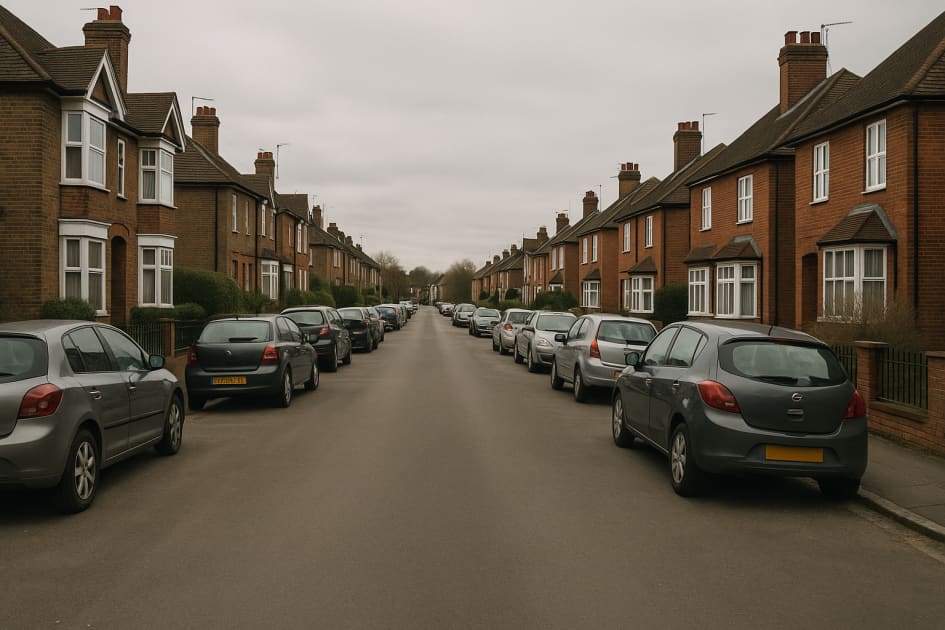
Distance does affect the driving segment, but the bigger impact often comes from stairs, long kerb-to-door carries, lift bookings and parking restrictions. Permit zones and cul-de-sacs around Hemel Hempstead can push vans further from entrances, while apartments often require lift windows or fob access. All of these reduce items moved per hour and extend the schedule. It also reflects how neighbourhood layout changes moving time. Scheduling pressure becomes clearer in Hemel Hempstead demand patterns at different times. One local example appears in man and van services in Berkhamsted.
Stairs increase cost because crews must handle smaller batches more carefully, which adds trips. Parking restrictions increase cost by forcing longer walks, shuttling or time spent finding space, all of which count as labour. Loading time usually outweighs driving time. If you are budgeting a move, this is usually what matters most.
What affects cost planning for moves in Hemel Hempstead
| Cost driver | What changes the time | Why it affects total cost |
|---|---|---|
| Parking access | Permit rules, no on-street space or set-back bays increase the kerb-to-door distance | Longer carries reduce trips per hour, so labour time rises |
| Building layout | Stairs, narrow corridors, small lifts, protected lobbies and access fobs slow handling | Items must be staged and moved in smaller batches, extending the schedule |
| Van size / movers | Too small a van or too few movers causes extra trips and bottlenecks at doors or lifts | Right-sized van and crew keep a steady flow; under-capacity adds hours |
| Route timing | School-run or commuter traffic reduces driving predictability and loading windows | Reduced flexibility and queueing add to the billed labour period |
Typical move price patterns in Hemel Hempstead
Because movers bill for labour time, duration scales with access and volume. Two similar-looking homes can have very different totals if one has driveway parking and a clear ground-floor route while the other has permit parking and stairs. Scheduling around traffic and lift windows changes the working day just as much as volume does.
| Move type | Typical time range | What affects duration |
|---|---|---|
| Room or few items | Brief schedule | Close parking and no stairs keep handling quick; long carries stretch the window |
| Studio or small flat | Short to mid-length schedule | Lift capacity, corridor width and permit parking influence pace more than mileage |
| 1–2 bed home | Mid-length schedule | Volume, stairs and whether both ends have near-door parking set the throughput |
| 3+ bed home or flat | Longer schedule | Multiple rooms, bulky furniture and tight streets often require more coordinated loading |
Cost examples by move type
Example 1: Small room move with driveway parking
A few boxed items and small furniture from a house with a clear driveway to a ground-floor drop-off. Short carry distance and no stairs allow steady loading, keeping the schedule compact and cost contained.
Example 2: Small move with permit parking on a terraced street
Similar volume, but the van must use a legal space a short walk from the door. Each carry is longer and the crew completes fewer trips per hour. The added walking time extends the schedule and increases the total.
Example 3: One-bed flat with a small lift
Volume is moderate, but the lift takes only a few items per trip and needs hallway protection. Crews stage items and rotate batches through the lift, slowing the flow and increasing hours.
Example 4: Two-bed house to house across town
Driveway at one end, on-street parking at the other. Volume is higher, but clear ground-floor routes keep loading efficient. Planning around mid-day traffic helps maintain a predictable window.
Example 5: Apartment to apartment with loading-bay booking
Managed buildings require booked loading bays, lift keys and floor protection. The crew must work within fixed windows and coordinate with building staff. Any waiting or restricted access slows throughput and raises the final total.
How to keep the move efficient
Reduce avoidable time by removing handling friction and keeping a continuous flow between property and van.
- Permit or controlled parking → Arrange a visitor permit or prepaid bay so the van parks close to the entrance.
- Long carry from kerb to door → Stage items by the closest exit and clear hallways for an unobstructed route.
- Stairs or small lift → Pack smaller, stackable boxes and flag bulky items in advance so the crew can plan lift rotation.
- Managed building rules → Book loading bays and lifts, and confirm any protection or timing requirements.
- School-run or commuter congestion → Choose start times outside peak periods to protect loading windows.
- Mixed item sizes → Group by room and fragility so handlers can load in consistent, efficient batches.
- Disassembly needs → Part-disassemble beds and wardrobes beforehand to avoid tool-time on the day.
- Accurate inventory → Share clear lists and access notes early so the right van size and crew are scheduled.
Hemel Hempstead includes tight residential streets, estates with permit rules and flats with varying lift access. Parking layout and housing density change loading distance and timing, so planning for your exact street and building conditions keeps the schedule predictable.
Plan your move in Hemel Hempstead
Check the price and availability for your addresses, moving date and loading requirements. Book through Find My Man and Van; we allocate a suitable provider after booking.
Small local collection: £48.00 total — example for Hemel Hempstead.
1 × small van; Customer Loading/Unloading; 5 miles, 1.5 hours, ground-floor access. Modelled for 16 October 2026. Your quote depends on your actual move details and date.
Providers covering the Hemel Hempstead area


Local coverage is a guide, not a reservation of these providers. Explore local providers.