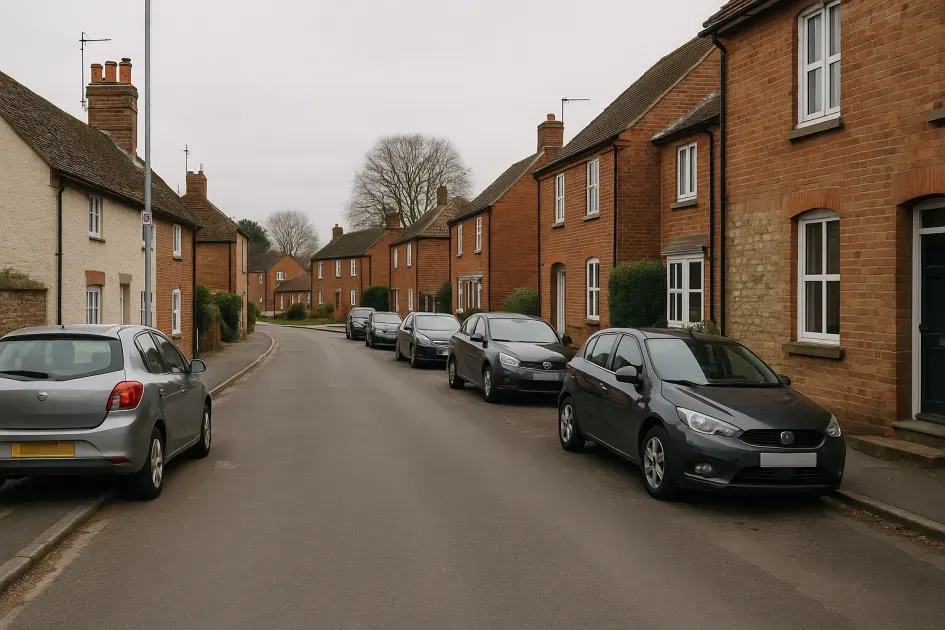
Where parking usually becomes the issue
Older stretches near the green can tighten kerb space, while quieter edges often rely on practical kerbside positioning rather than marked bays. That matters most on a smaller move where the booking stays efficient only if the driver can hold a workable stopping point rather than shuttling items over distance.
Key facts
- Check first: the exact loading point and a realistic fallback.
- Street pattern: older village frontages near the green.
- Typical problem: longer carries when the van cannot sit close.
- Best prep: mention bays, restrictions and shared access before the day.
On this page
Think about the loading point, not just the postcode
On many Writtle jobs, the real question is where the van can work productively for the whole loading window. A legal space half a street away can still slow the booking if every box and item has to cover the distance repeatedly.
That is why permit checks, shared bays and practical stopping options matter most before the driver arrives.
When a backup plan becomes important
A backup loading plan is worth having where older village frontages near the green or school-run traffic and village-centre activity make the first-choice spot less reliable. Shared bays, school traffic and visitor demand can all turn a tidy plan into a stop-start carry route.
If you already know the best legal fallback, the job is much easier to keep moving.
Plan your move in Writtle
Check the price and availability for your addresses, moving date and loading requirements. Book through Find My Man and Van; we allocate a suitable provider after booking.
Small local collection: £52.00 total — example for Chelmsford.
1 × small van; Customer Loading/Unloading; 5 miles, 1.5 hours, ground-floor access. Modelled for 28 November 2026. Your quote depends on your actual move details and date.
Providers covering the Chelmsford area
Local coverage is a guide, not a reservation of these providers. Explore local providers.