Which layouts usually slow the job
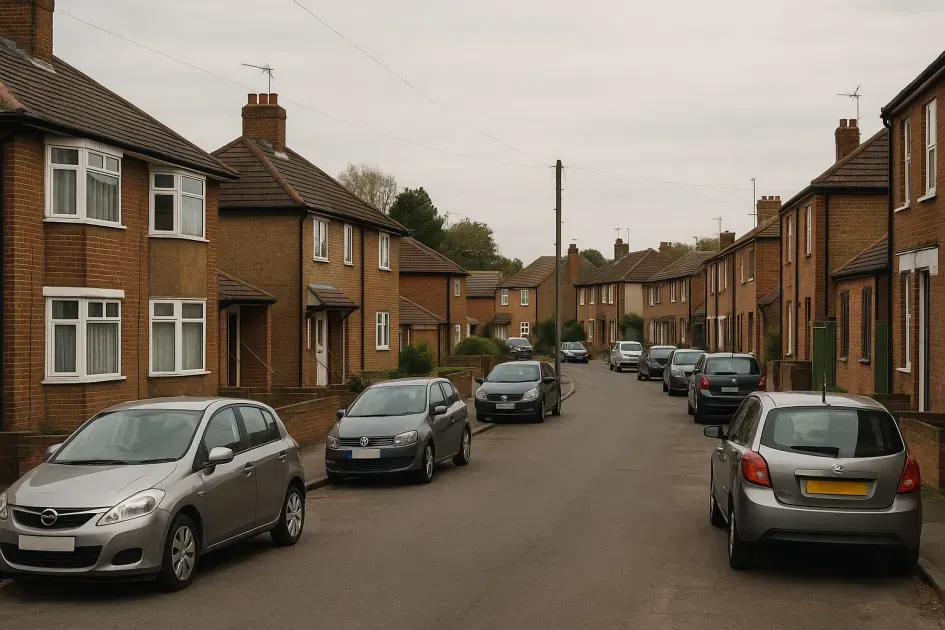
In Witham, commuter terraces, modern flats and family homes on newer estates can all handle differently on moving day. The friction usually comes from narrow turns, repeated stair cycles, shared access or a stop that leaves the van just far enough away to make every trip slower.
Key facts
- Typical buildings: commuter terraces, modern flats and family homes on newer estates.
- Common obstruction: coded communal entries, narrow side paths and longer internal routes.
- External factor: station-side streets and shared estate bays can make van positioning less predictable than the postcode suggests.
- Operational effect: more handling stages and slower loading cycles.
On this page
Why the handling route matters more than the address label
Two Witham homes can look similar on paper and still behave very differently once the move starts. A short front path, straight entrance and clean van stop can keep a booking simple, while side gates, tight turns or a set-back doorway can break the same-sized move into slower stages.
That is why the building layout matters as much as the street name.
What to flag before the day
Say if the route includes stairs, awkward furniture turns, communal doors, side access or any point where the van cannot sit close. In Witham, busier commuter streets around the station side can also affect how directly the load gets from door to vehicle.
Those details help turn a rough assumption into a realistic plan.
Plan your move in Witham
Check the price and availability for your addresses, moving date and loading requirements. Book through Find My Man and Van; we allocate a suitable provider after booking.
Small local collection: £48.00 total — example for Chelmsford.
1 × small van; Customer Loading/Unloading; 5 miles, 1.5 hours, ground-floor access. Modelled for 1 December 2026. Your quote depends on your actual move details and date.
Providers covering the Chelmsford area
Local coverage is a guide, not a reservation of these providers. Explore local providers.