
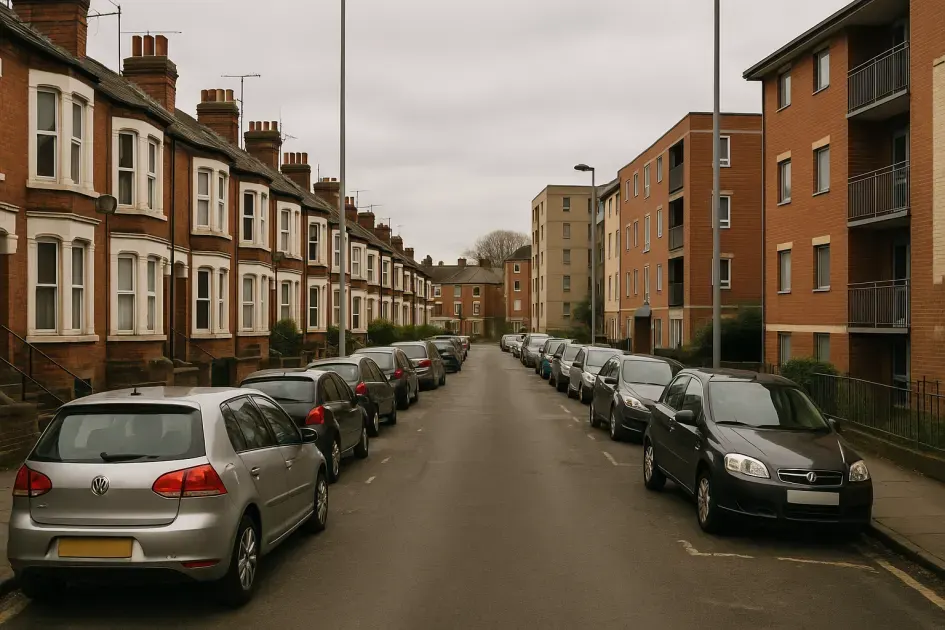
Cathays Parking Permits – Loading Access, Restrictions and Planning

Parking and loading arrangements in Cathays can have a bigger effect on a move than the route across town. A job tends to run best when the van can stop close to the real entrance and the crew is not forced into repeated long carries from an awkward position.

For the main booking page, start with man and van in Cathays. For the wider planning view around restrictions and access, use ULEZ guide for Cardiff moves as well.

In Cathays, moves often involve student houses, subdivided terraces, HMOs and compact flats close to busy local streets. That makes stopping strategy important because permit pressure and short-stay stopping issues often matter more than the mileage of the move, and a poor loading point can slow even a modest move.

For closely related planning issues, it also helps to read property access challenges in Cathays and moving costs in Cathays.

Quick summary

  • The best loading point is not always the closest point on the map.
  • Building rules, timed bays and resident parking can all shape how the day runs.
  • This helps you avoid delays on moving day.

Why parking permits matter differently in Cathays

The practical issue is not only whether a permit exists. It is whether the van can load safely and efficiently in the place the move actually starts. In Cathays, permit pressure and short-stay stopping issues often matter more than the mileage of the move, so planning the stopping point early usually saves more time than trying to improvise on the day.

Parking restrictions are often a bigger issue than distance on urban moves. If you are weighing up timing, this is often where the real difference shows up.

Local examples and planning scenarios

Some addresses work well from a nearby side street, while others depend on building approval, access fobs or a managed bay being available at the right time. In apartment-led or tightly parked parts of Cathays, the shortest walking route is often what makes the move feel smooth.

Use this page to plan the loading position and access rules before the van arrives. When you need the main service route, go back to the core area page.

Practical advice before booking

  • Check where the van can actually stop for loading rather than where sat nav would naturally end the route.
  • Ask building management about move-in slots, loading-bay rules or lift reservations where relevant.
  • Have a backup stopping option ready in case the preferred space is occupied.
  • Tell the booking team about any access window that limits how long the crew can load.

This page is here to clarify access and permit planning in Cathays. It supports the main transactional page rather than replacing it, which keeps the cluster tidy and intent-led.


Cathays Parking Permits FAQs

Common questions about kerb access and loading practicality in Cathays.

Yes. A quieter side street can sometimes be the better loading option if it shortens carrying distance or avoids waiting.

Usually, yes. Even where no formal permit is needed, knowing how loading will work in practice prevents avoidable delays.

Sometimes, but managed bays or private spaces often need approval first, especially in apartment buildings.

Confirm the stopping point, any building rules, the best entrance to use and what happens if the preferred bay is unavailable.

In some buildings, yes. Where access is controlled, arranging it early makes the move smoother.

The key issue is practical loading access: where the van can stop, how long it can stay there and whether the route from kerb to property is workable.