
When moving in Kidsgrove is easiest
For Kidsgrove moves the quietest, most predictable windows are mid-week mornings after the morning commuter peak (roughly 09:30–12:30) and mid-week afternoons outside local school-run times. These slots avoid the heavy flows on the A34/A500 corridors into Stoke-on-Trent and reduce the chance of encountering residential parking pressure in the town centre and older terraced areas.
Why those times work in Kidsgrove
Kidsgrove sits on commuter routes into Stoke-on-Trent and the M6 approaches. Commercial and commuter traffic is densest during standard rush hours; once those subside the main routes free up and large removal vehicles can reach estate roads and cul-de-sacs with fewer delays. Mid-week slots also make it easier to arrange a parking suspension for loading bays and avoid the weekend shopper traffic that crowds the High Street and nearby car parks.
For the wider picture across the area, refer to Stoke on Trent moving timing guide.
When timing is settled and you need the main booking page, start with removals in Kidsgrove.
When moving in Kidsgrove is hardest
The hardest times are the last week of the month (particularly the final Friday), Saturdays in peak season and the late July–August school holiday rush. Expect reduced availability of specialist crews and longer loading periods during these windows, especially for properties with access constraints.
You will often need to consider For a more practical planning sequence, use this page alongside moving guide for Kidsgrove and packing advice for moving in Kidsgrove. at the same time.
Local factors that make moves harder
- End-of-month spikes: local rental turnovers and tenancy end dates concentrate moves at month end across Kidsgrove and nearby towns, increasing demand for removal crews and suspended parking bays.
- School holiday surges: families target the weeks before a new term begins, which reduces midday availability and increases the need to book weeks in advance.
- Saturday shopping and sports fixtures: town-centre parking and nearby roads fill during weekend activity, slowing loading/unloading.
Property types and access constraints in Kidsgrove
Different Kidsgrove properties create distinct operational frictions; planning must match the property type.
Terraced houses
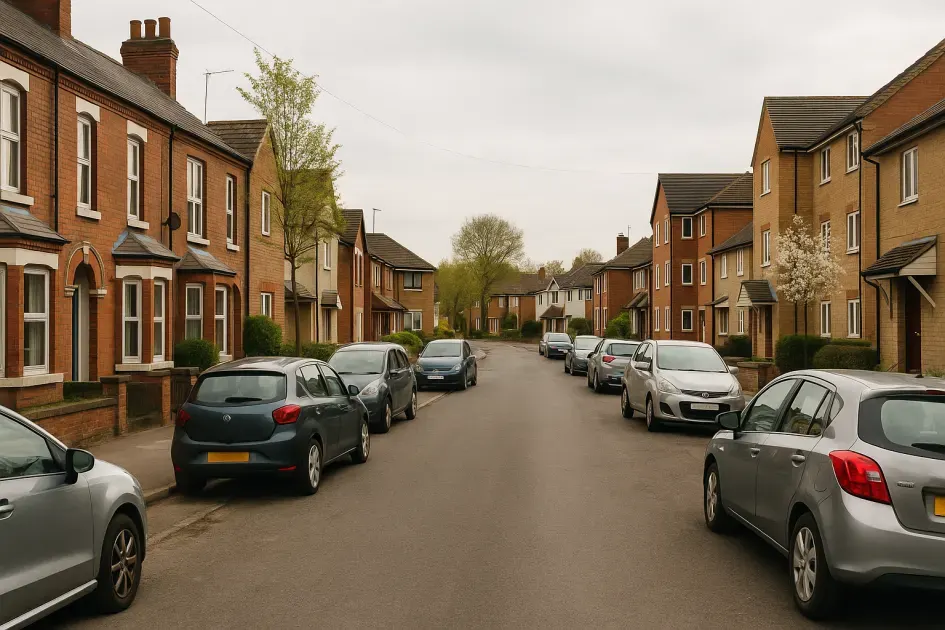
Many older terraced streets near the town centre and canal have narrow pavements and tight on-street parking. Large removal trucks often cannot park directly outside; expect longer carry distances from the vehicle to the front door. Practically, an extra 20–50 metres of carry or negotiating narrow steps increases loading time and labour costs—plan for added portering time and possible temporary street parking suspensions.
Flats and maisonettes
Flats above shops and in small blocks are common in central Kidsgrove. Several blocks have no passenger lift; moving bulky items up staircases increases the risk and time per item. Every flight of stairs typically adds several minutes per bulky item and may require extra crew or specialist handling to prevent damage to communal areas. If the block has a lift, check lift size and booking windows with property management before moving day.
Semi-detached and family homes
Semi-detached properties in suburbs and estates often allow closer parking but can sit on estate roads with narrow turning circles that restrict large vehicles. Confirm whether large removal vehicles can turn into the estate or will need to stop on a nearby main road and carry goods a greater distance.
New builds and estate developments
New-build estates on Kidsgrove's outskirts sometimes feature short viscous access roads, tight parking bays and communal restrictions. Some developers restrict overnight parking and require permission for large vehicles to wait for loading. For these sites, plan for a short-term licensed loading bay or extra portering time due to limited direct access.
Traffic, routes and timing in Kidsgrove
Movement times are shaped by the local road network and predictable congestion.
Major routes and congestion windows
Traffic into and out of Kidsgrove concentrates on the A34 and local links to the A500/M6 corridor. Morning (07:30–09:30) and late-afternoon (16:00–18:00) commuter peaks can add 15–40 minutes to travel time for large vehicles depending on direction. Fridays often see heavier loads on the M6 and connecting A-roads, so avoid planning long-distance drops into Kidsgrove late in the working week if possible.
Town-centre pinch points
Kidsgrove’s centre streets and short-stay parking bays become congested during market days, school pick-up times and weekend shopping hours. Booking a loading bay suspension or arranging a private space on a neighbouring driveway can eliminate waiting for kerbspace at the critical start or end of loading windows.
Seasonal and weather considerations
Seasonality and local weather in North Staffordshire materially change how long moves take and what they cost.
Summer
Summer (June–August) is the busiest period because families and corporate relocations cluster then. Expect limited availability of large crews and earlier booking lead times. Saturday demand is highest in this season, so mid-week remains preferable if possible.
Winter and wet weather
Winters bring wet, muddy conditions and occasional ice around Kidsgrove’s outer lanes and canal-side properties. Heavy rain can cause surface water on low-lying lanes beside the Trent & Mersey Canal, increasing carry difficulty and requiring extra floor protection; deep mud can slow vehicle movement in rural driveways. Allow additional time and protective materials and check the forecast in the week before the move.
Real‑world implications for time, cost and planning
Kidsgrove’s mix of property styles and local road constraints translates directly into quantifiable planning decisions:
- Carry distance and stair flights: every additional 20–50 metres of carry or a flight of stairs increases labour time and therefore the moving price—allow for extra portering time in the job plan.
- Parking suspensions and permissions: arranging a bay suspension with the local council or paying for a temporary private space costs money and takes time to organise; allow 7–10 working days lead time.
- Peak-season surcharges: late-July to August and end-of-month slots often carry premium rates and reduced crew availability—book early to avoid higher costs or limited options.
- Access restrictions and vehicle choice: narrow terraces and estate turning circles may force the use of a smaller vehicle plus more manual carry, which increases crew time even if vehicle hire is lower.
Practical next steps for Kidsgrove moves
Plan around local realities: pick mid-week windows outside commuter peaks where possible, avoid the final working days of the month, make allowance for school holiday demand in July–August, and check access for large vehicles on estate roads and terraced streets. If your property is a flat with no lift or a terraced house near the town centre, factor extra portering time into the schedule and organise any necessary parking suspension well ahead.
For broader guidance on timing choices across Stoke‑on‑Trent, see the moving timing guide at Stoke on Trent moving timing guide. For Kidsgrove-specific logistics, access and practical information, visit the main Kidsgrove removals page at removals in Kidsgrove and review packing considerations at packing advice for moving in Kidsgrove.