
When is it easiest — and hardest — to move in Hanley?
Overview: what makes Hanley different
Hanley is the commercial heart of Stoke-on-Trent with a compact city centre, mixed housing stock and a steady flow of shoppers, students and commuters. That mix creates very specific timing pressures for full-house, flat or office removals: central flats and shops face constrained roadside access and heavy pedestrian footfall, while outer semi-detached and new-build estates trade those constraints for longer drive times along the A52/A500 corridors.
Weekday versus weekend — practical trade-offs
Weekdays (ideally mid-morning to early afternoon) often give the best operational balance for large moves in Hanley. Reasons:
When timing research is done and you need the main booking page, start with removals in Hanley and use Stoke on Trent moving timing guide for the broader regional picture.
- Loading bay predictability: council loading bays and short-stay spaces are more reliably available on weekdays outside the morning commuter rush than during busy weekend market hours.
- Deliveries and coordination: utility engineers, building managers or estate agents are more likely to be available on a weekday if access permits or keys are needed for flats or new-build blocks.
Weekends reduce commuter road traffic on main approaches but introduce two Hanley-specific issues: the city centre attracts extra shoppers and market visitors, and several pedestrianised streets are busier, which elongates carries and prevents on-street parking close to entrances. For an office move, Sunday early mornings can sometimes work if the business is closed, but check local council rules for weekend loading restrictions.
End-of-month spikes and rental cycles
The end of the calendar month causes concentrated demand in Hanley. Rental changeovers, professional clean-outs and student move-ins cluster around month-ends and the start of September. Practical consequences:
You will often need to consider For a more practical planning sequence, use this page alongside moving guide for Hanley and packing advice for moving in Hanley. at the same time.
- Higher labour hours: crews often face longer turnaround and queuing times at loading bays, adding to the billed time.
- Permit and bay booking: if you need temporary parking suspension or an on-street loading bay in the centre, apply earlier — slot contention increases lead times for permits issued by Stoke-on-Trent City Council.
- Access wait times: in terraced streets where on-street parking is scarce, moving teams may need to park further away and make several trips, multiplying carry distance and total move duration.
School holidays, student terms and seasonal peaks
Late August and early September are noticeably busier in Hanley because student accommodation changes and family moves coincide with the school break. If you are moving to or from flats near the centre or into HMOs, expect restricted weekday slots and busier streets. By contrast, late spring (May to June) typically sees steadier road conditions and fewer student-related spikes, making it a practical choice for longer moves.
Traffic patterns that affect time and cost
Hanley sits at the confluence of local arteries: the A52 and nearby A500 feed commuter flows into the city. Key implications:
- Rush hours: morning (07:30–09:30) and late-afternoon (16:00–18:00) peaks on the A52/A500 add travel time for removal vehicles to reach loading points, especially when combined with traffic light junctions at the city ring roads.
- City centre circulation: Bank Street, Bethesda Street and pedestrianised zones can be congested during the middle of the day; drivers may be forced to make circuitous routes to find legal loading spots, which increases fuel and labour costs.
- Event-driven spikes: occasional city-centre events, market days or university open days increase both foot and vehicle traffic; always check local event calendars before booking.
Property types and how they change timing and complexity
Hanley’s housing mix affects move planning:
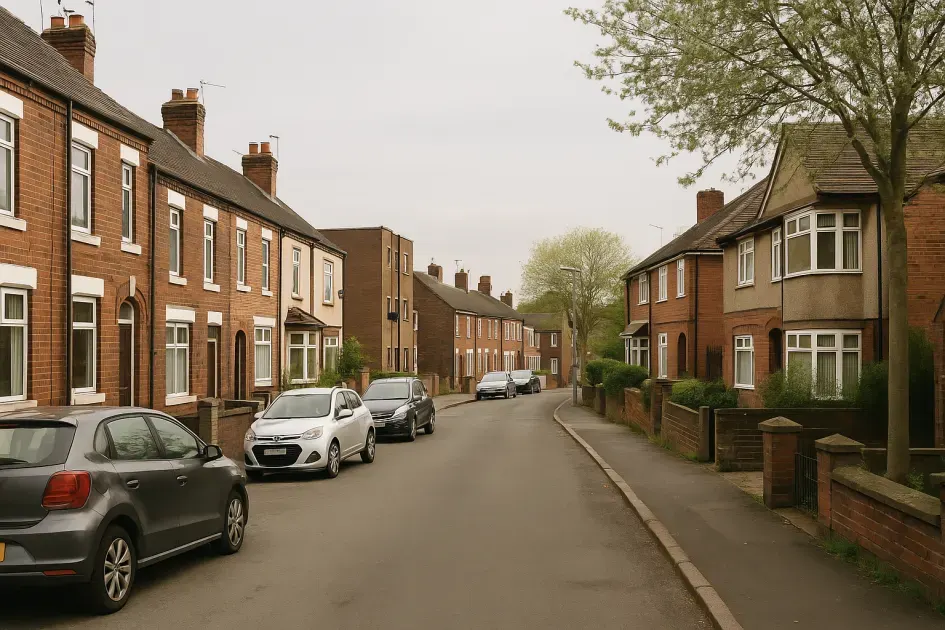
- Terraced houses: common in older Hanley neighbourhoods — often narrow frontages, tight staircases and on-street parking. These moves usually require extra handling time for stairs and may need parking further away, increasing carry distance (20–60 metres is common).
- Flats (town-centre and converted Victorian): lifts may be present but often small and subject to building management rules (time windows, weight limits). If a lift isn’t available, multiple flights of narrow stairs add substantial labour time and cost.
- Semi-detached properties (outer Hanley suburbs): generally easier loading and parking but journeys from the city centre can take longer during rush hour — factor transit time into the day’s schedule.
- New builds and estate blocks: estate roads can be narrow and gated; many developers require advance booking for moving vans in visitor bays or have restrictions on large vehicles. This can require liaison with estate management that lengthens lead time before moving day.
Access constraints and operational friction to plan for
Specific friction points in Hanley that affect timing and budget:
- Parking restrictions and resident permit zones: several streets near the centre have controlled parking; without a temporary permit or approved loading bay you may need to park some distance away and make multiple carries.
- Narrow roads and restricted turning: tighter Victorian streets limit where larger removal vehicles can safely park; in those cases smaller tail-lift removalers are used but that increases loading/unloading time due to capacity limits per trip.
- Loading bay hours and enforcement: commercial loading bays often have time windows and enforcement is active — arriving outside permitted times can trigger fines and delays.
- Carry distance and multiple trips: pedestrianised pockets and internal courtyard layouts can force long carries (often 20–50m) or multiple elevator trips, each adding predictable minutes per item that scale up for full-house moves.
Weather and seasonal practicalities
Hanley’s climate and UK seasonal patterns have tangible effects on moving operations:
- Autumn/Winter rain and wind: slippery stairs and wet parcels slow handling and require tarpaulins or protective coverings, increasing setup time and care taken by crews. Cold weather can also slow loading if routes become icy.
- Spring drying and heavier pollen: ramps and protective wrapping are more likely to be used to keep items clean when properties have no internal storage for boxes.
- Rarely critical flood risk: Hanley itself is not a riverside flood hotspot, but heavy weather still causes higher pedestrian flows and occasional road closures that lengthen driving routes.
Practical rules of thumb for planning
- Choose weekday mid-morning for central flats or terraced houses to avoid commuter peaks and weekend shopper congestion.
- Avoid the last week of the month and the first week of September for student-heavy or rental turnover areas.
- Check Stoke-on-Trent City Council for temporary loading bay or parking suspension requirements well in advance for city-centre moves.
- Factor extra labour time for small lifts, narrow staircases and long carry distances — these are common in Hanley and materially affect cost and schedule.
For more local timing details and broader Stoke-on-Trent considerations, see the Hanley removals overview at /removals/stoke-on-trent/hanley and the regional moving timing guide at /removals/stoke-on-trent/moving-timing-guide. If you need packing specifics for city-centre flats, consult /removals/stoke-on-trent/hanley/packing-advice.