Identify what changed, including parts and ancillary collection places, before asking separately about revised work, shown additional time and outside payments.
On this page
Retain the complete plan that was priced
Save addresses, date, full goods and parts list, prepared dimensions, vehicle, every agreed collection place, both full routes, help, stops, selected services and booked time. Keep permissions, openers and fixed limits with the record.
Separate personal goods from landlord or other occupants’ contents. If an item’s selection or ownership remains uncertain, clarify it rather than assuming that adding it is covered by the earlier vehicle and carrying description.
Describe the new work and its dependent stages
Hypothetical example: bed sections and labelled fittings are found in an agreed ancillary room after the quote described only packed bedroom goods. Send support the complete additional pieces, actual starting point, prepared dimensions and full route. Explain whether an extra lock, outside level or helper duty is involved.
Recheck independent receiving fit and sufficient help through every complete carry/loading/unloading. With customer loading, provide enough suitable people throughout both ends and relevant stops. An opener walking to another goods place cannot be assumed continuously available to carry.
Specify services and separate work, time and outside costs
Packing/unpacking share one selection, allowance and rate. Those tasks and item disassembly/assembly may be separately agreed at any declared stop subject to eligible provider availability, in 30-minute elapsed team-time blocks at the booking rate apart from ordinary loading/unloading, not per person or duplicate travel. Name the task/item/stop and supply materials unless otherwise agreed in writing.
Ask support to assess revised work against the same addresses, date, full prepared load, vehicle, routes, help, stops, selected services and booked time except for the stated change. Check How pricing works for the shown additional half-hourly rate beyond booked time, separately from applicable outside parking/journey charges and their arranger and payer. Use the whole-selection comparison to keep the unchanged inputs clear.
Recheck the fixed limits through final-room receipt
Give seller appointments, keyholder availability and any key-handover deadlines, checkout deadlines, building access periods and facility access periods to support before booking, and report later changes promptly. Allow time to get in and check all the goods and their parts. Finish any remaining agreed preparation before carrying the items that need it. Include the full collection carry and loading, the journey and every agreed stop. At each delivery, allow for access, unloading and carrying the goods into their agreed final rooms, and place them there before any selected finishing work. Arrival is not completion.
Keep the earlier brief, new facts and response with the revised all-doors timetable and Glasgow cost guidance. Confirm amended road/private conditions with the original issuer or controller rather than assuming they transfer to a new vehicle or period.
Common questions
Does every access problem create an extra charge?
Not automatically. Explain the actual changed goods, route, admission or work and ask support how the revised plan is assessed under the booking terms. Keep shown additional time and applicable outside costs separate from the scope decision.
Where should I check the local arrangements?
Ask the original street issuer or private controller whether changed date, vehicle, position or period is covered and what must be amended. Use Scottish LEZ guidance for actual vehicle and boundary questions; a non-compliant, non-exempt vehicle cannot simply prepay a daily entry charge.
What information should I give the booking team?
Give support the original and revised selection/parts, starting place, prepared form, full route, help, services or access limit. Identify the knock-on receiving work and ask about revised scope, shown additional time and applicable outside payments separately before relying on the earlier plan.
Sources and further detail
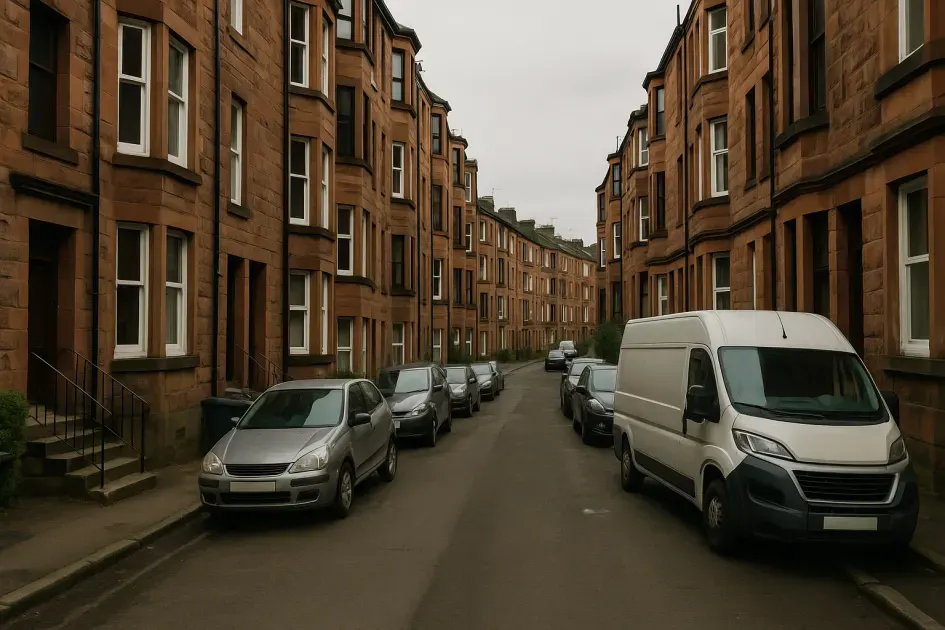
Maryhill prepared furniture, complete selected home and agreed ancillary goods, actual close/outside stages and independent receiving-room routes. The March 2017 planning report describes only its immediate Shakespeare/Hathaway surroundings. Examples are hypothetical.
Review your Maryhill goods and route changes
Bring the priced list, revised pieces and the effect on complete carrying and receipt.
Plan your Maryhill move