Ripley Hidden Moving Costs – Delay Risks That Quietly Push Costs Up

Hidden moving costs in Ripley usually come from lost time rather than surprise extras. A job starts to drift when the loading route is slower than expected, access is staged, or the van cannot work from a practical position.

Hidden moving costs in Ripley usually come from time loss, not mystery fees. Small delays stack up when the crew has to wait for access, walk longer routes or reload awkwardly because the van cannot stop where the job really begins.

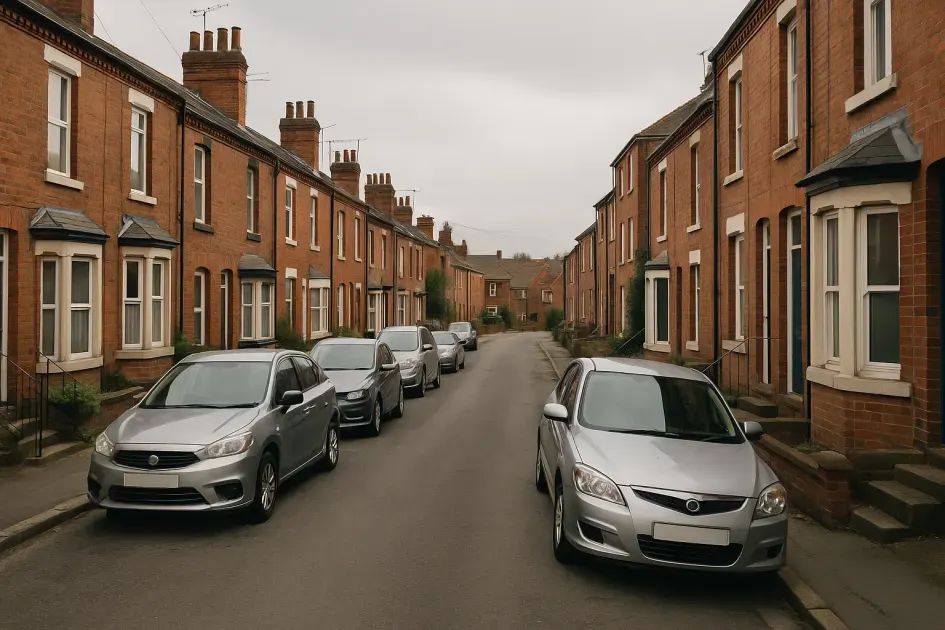
Ripley tends to be shaped by red-brick Victorian terraces around the town centre with short front paths and direct pavement access, interwar semis on sloping residential roads with driveways and side-gate garden access and post-war maisonettes and low-rise council blocks on estate roads with shared entrances. For hidden costs, that matters because that local housing mix often brings stepped entrances on hilly streets around the centre, older residential lanes, narrow ginnels, side passages serving rear gardens on older terraced rows and variable lift access, and each extra friction point quietly leaks time through repeated waits, longer carries and awkward handling cycles.

man and van in Ripley is the main booking page for checking availability, pricing and move details in one place.

For the wider picture across the area, refer to moving costs in Derby.

A move here behaves differently from a generic Derby job for practical reasons. In Ripley, practical factors like disc zone, short-stay controls near the town centre limiting daytime kerbside loading and tight kerb access on older terraced streets where one van can block through movement and weekday commuter pressure shape how the day actually unfolds.

Unexpected charges are easier to avoid when you compare this page with moving costs in Ripley and property access challenges in Ripley.

Ripley includes a mix of terraces, town-centre properties, edge-of-town estates and homes on sloping streets, which means hidden delays can come from more than one direction. gradient, tighter older streets and uneven loading positions can affect how quickly a van can be worked, and town-centre traffic and route changes between the centre and outer estates can make day-part timing important can both create small hold-ups that add up over a full move.

Quick summary

  • Unexpected labour time is usually the biggest hidden cost.
  • Long carries, waiting for access and poor van position often cost more than people expect.
  • If you are weighing up timing, this is often where the real difference shows up.

Why hidden costs show up here

Moves in Ripley often look straightforward until the carrying pattern becomes clear. One delay at the entrance, one awkward furniture turn or one blocked loading spot can repeat across every trip to the van.

On hilly streets, the safest loading point is not always the closest one, and that can affect labour time more than people first assume. The best way to avoid that kind of slippage is to describe the route honestly before the booking is finalised.

Local examples and planning scenarios

A flat move may be quick in volume but slower in practice if entry is controlled, the lift is shared or items have to be staged in a hallway before loading. A house move can do the same if the van must work from the road while the heaviest items come from the back of the property.

That matters whether you are arranging a studio move, a flat relocation or a larger household shift with vetted and approved drivers available through the platform. Clear planning protects time, and time is what usually protects the budget.

Local examples and planning scenarios

A straightforward job in Ripley can still slow down when building access is sequential rather than parallel. One person may be waiting at an entry point while another handles the van, or the team may need to coordinate around lift use, side-street loading or a longer internal walk from courtyard to entrance. Those are ordinary local realities, not unusual complications.

For the other issues that often trigger unexpected spend, compare moving costs in Ripley and property access challenges in Ripley. When you are ready to move from risk-checking to the booking page, return to local man and van in Ripley.

Practical advice before booking

  • Flag any step-heavy route, tight turn, shared hallway or fob-controlled entrance.
  • Say whether furniture needs dismantling before it can be carried out.
  • Share realistic photos or notes where the loading path is not obvious.
  • Do not assume a short journey means a short job.

Use this page to spot the quieter risks around timing and handling, then use the main Ripley move page when you want the job arranged through one booking platform with vetted local drivers.


Ripley Hidden Moving Costs FAQs

Common questions about the quiet delays that can stretch a move in Ripley.

The common hidden costs are usually hidden time multipliers rather than separate charges. In Ripley, they often come from stepped entrances on hilly streets around the centre, older residential lanes and narrow ginnels, side passages serving rear gardens on older terraced rows, disc zone, short-stay controls near the town centre limiting daytime kerbside loading and tight kerb access on older terraced streets where one van can block through movement, and repeated carry distance.

Yes. Lift delays can interrupt the work rhythm repeatedly, and that matters more than people expect. In apartment-led parts of Ripley, they can quietly extend the total job time.

They can be. If factors such as weekday commuter pressure slow arrival, stopping or unloading, the job can drift beyond the comfortable estimate even when the inventory itself is straightforward.

Surface the awkward details early. The more honestly the access route, loading position and timing pressure are described, the fewer surprises show up later as overrun.

Absolutely. When the internal path is longer than expected, every trip takes more time, and moving jobs are made of many repeated trips. The arithmetic becomes rude very quickly.

Because the crew spends more time walking, repositioning and waiting. In Ripley, where factors such as disc zone, short-stay controls near the town centre limiting daytime kerbside loading and tight kerb access on older terraced streets where one van can block through movement are common, a weak stopping position becomes a tax paid in minutes.