
Why small moves still run over
In Lewes, the extra cost usually appears when the job takes longer to handle than the original description suggested. That might be because the van is parked farther away, because the entrance is slower to work through, or because the timing window is poorly chosen against bridge traffic, market-day pressure and school-run congestion.
None of that looks dramatic on paper, but it adds up quickly on a smaller job.
Plan your move in Lewes
Check the price and availability for your addresses, moving date and loading requirements. Book through Find My Man and Van; we allocate a suitable provider after booking.
Small local collection: £57.00 total — example for Brighton.
1 × small van; Customer Loading/Unloading; 5 miles, 1.5 hours, ground-floor access. Modelled for 1 November 2026. Your quote depends on your actual move details and date.
Providers covering the Brighton area
Local coverage is a guide, not a reservation of these providers. Explore local providers.
The local details people underestimate
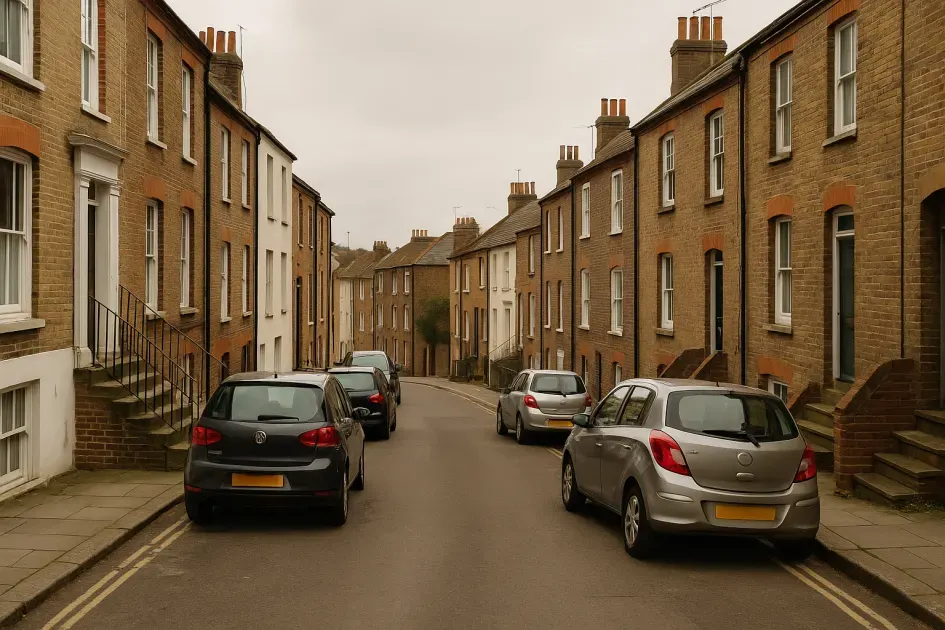
steep streets, narrow historic lanes and older terraced houses change the pace of a move in ways that are easy to miss at the quoting stage. So do steps, cottages with tight turns and homes set above the road level, especially when the largest items need more space, more turns or more trips than expected.
The hidden cost is usually time, and time is what changes the total.
How to avoid the avoidable extras
Flag long carries, entry systems, awkward furniture, resident parking restrictions and any part of the route that will break the move into smaller cycles. Clear detail lets the driver price the real job rather than a simplified version of it.
That is the easiest way to stop the day drifting into avoidable overtime.